
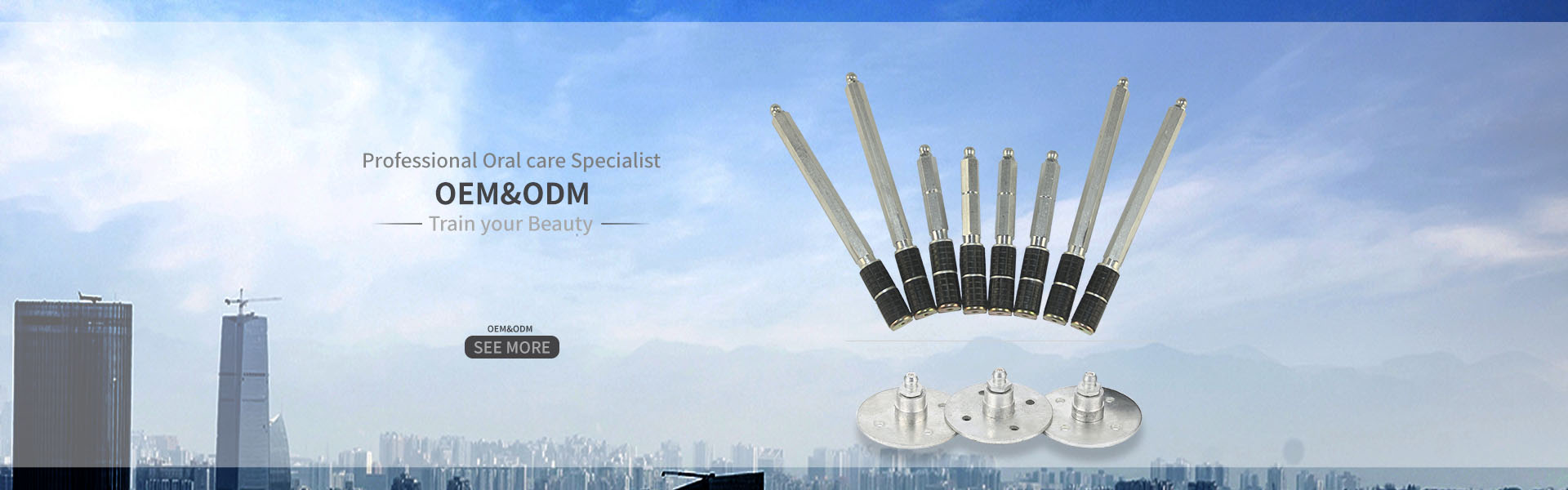
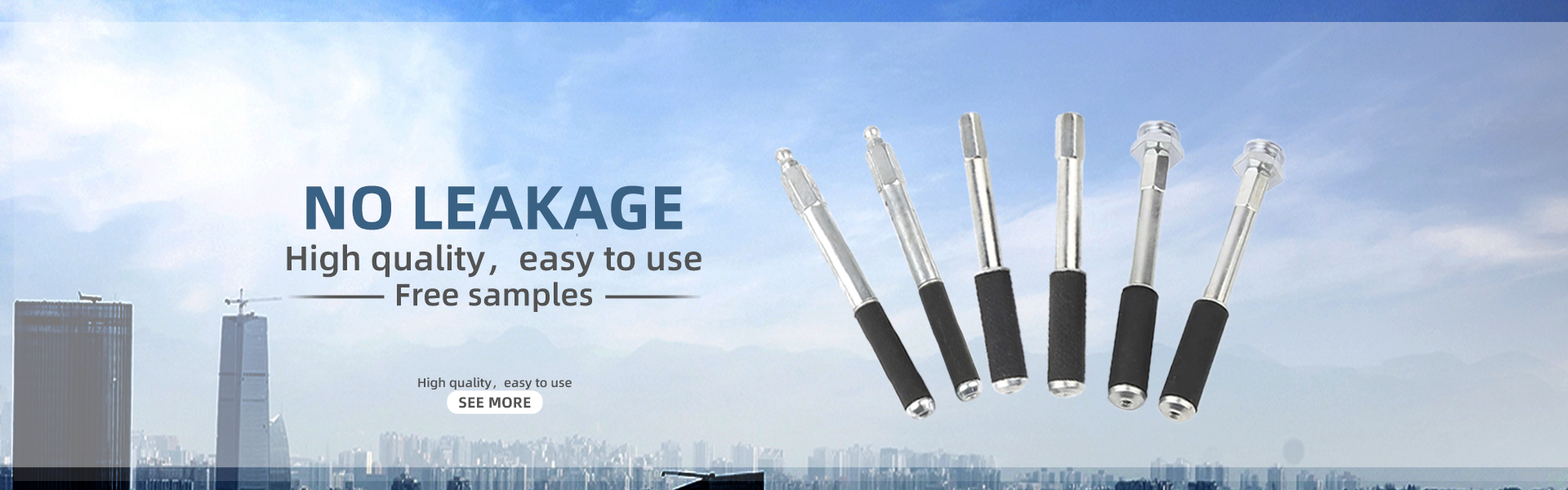
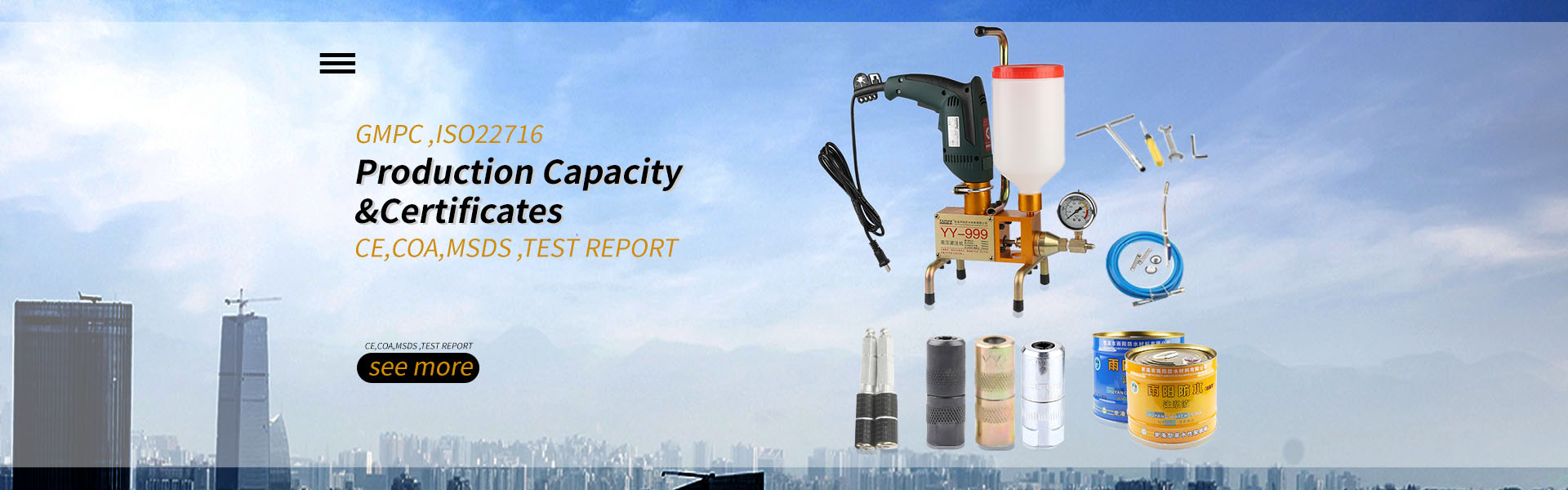

A high-quality Steel Injection Packer With Flat Nipple distinguishes itself through superior construction and meticulous design. Manufacturers select robust materials to ensure exceptional durability in challenging environments. Precision engineering is crucial for the Steel Injection Packer With Flat Nipple’s sealing capabilities, preventing leaks under high pressure. An optimized design guarantees efficient and safe fluid injection, making the Steel Injection Packer With Flat Nipple an indispensable tool for various industrial applications. These features collectively define a reliable and high-performance Steel Injection Packer With Flat Nipple.
Key Takeaways
- High-quality steel and special surface treatments make the packer strong and last a long time.
- Precise threads and strong seals stop leaks and keep connections secure during high-pressure work.
- The flat nipple’s design ensures a perfect seal and prevents material waste.
- The packer is easy to use and fits with common tools, making work faster.
- The packer can handle high pressure and has safety features to prevent accidents.
- The packer works well with many chemicals and stays strong in tough places.
- Choosing the right packer means better work, safety, and saving money.
Material Excellence for a Durable Steel Injection Packer with Flat Nipple

The foundation of any high-performance Steel Injection Packer With Falt Nipple lies in its material composition. Superior materials ensure durability, reliability, and extended service life, especially under demanding operational conditions. Manufacturers carefully select specific steel grades and apply advanced surface treatments to meet these rigorous requirements. This meticulous approach guarantees the packer withstands harsh environments and maintains its integrity over time.
High-Grade Steel Composition
Choosing the correct steel grade is paramount for the packer’s structural integrity and resistance to environmental factors. High-grade steel provides the necessary strength and resilience for repeated use in various applications.
Why 304 Stainless Steel is Crucial
304 stainless steel offers excellent corrosion resistance and high tensile strength. It resists rust and oxidation effectively in many common industrial settings. This material provides a cost-effective solution for applications requiring good durability without extreme chemical exposure. Its widespread availability and proven performance make it a standard choice for many components.
Advantages of 316 Stainless Steel
316 stainless steel presents superior corrosion resistance, particularly against chlorides and other aggressive chemicals. It contains molybdenum, which enhances its resistance to pitting and crevice corrosion. This makes 316 stainless steel ideal for marine environments, chemical processing, and other highly corrosive applications. Its enhanced properties ensure a longer lifespan and greater reliability in challenging conditions.
Surface Treatment and Corrosion Resistance
Beyond the base material, surface treatments significantly contribute to the packer’s longevity and performance. These treatments add an extra layer of protection against wear and environmental degradation.
Importance of Anti-Corrosion Coatings
Anti-corrosion coatings provide a critical barrier against corrosive agents. These coatings prevent direct contact between the steel and aggressive fluids or atmospheric elements. They extend the packer’s operational life and reduce maintenance needs. Examples include specialized polymer coatings or electroplated layers, which enhance resistance to chemical attack and abrasion.
Role of Smooth Finishes for Longevity
Smooth finishes on the packer’s surface contribute to its longevity in several ways. A polished surface reduces friction during insertion and removal, minimizing wear and tear. It also prevents the accumulation of debris, such as grout or scale, which can lead to blockages or premature wear. Furthermore, smooth surfaces are easier to clean, maintaining optimal performance and hygiene.
Precision Thread Design and Sealing Mechanism of a Steel Injection Packer
A high-performance steel injection packer relies heavily on its precision thread design and robust sealing mechanism. These critical components ensure efficient fluid delivery and prevent leakage during high-pressure operations. Manufacturers engineer these features to provide maximum reliability and safety in demanding applications.
Thread Machining Quality
The quality of thread machining directly impacts the packer’s performance and safety. Precise threads create secure connections and prevent fluid loss. This attention to detail ensures operational integrity.
Ensuring Secure Connection to Injection Pump
High-quality thread machining guarantees a secure connection between the packer and the injection pump. Accurate thread pitch and diameter allow for a tight, reliable fit. This precision prevents accidental disconnections during high-pressure injection. Operators can trust the connection will hold firm.
Preventing Leakage Under High Pressure
Well-machined threads are essential for preventing leakage under high pressure. Smooth, consistent threads minimize gaps where fluid could escape. This precision engineering ensures the system maintains its integrity, even when subjected to significant internal forces. It protects both the injected material and the surrounding environment.
Robust Sealing Elements
Effective sealing elements are fundamental to the packer’s ability to contain injected fluids. These components create a reliable barrier within the borehole. They must withstand harsh conditions and maintain their sealing properties over time.
Function of High-Quality Rubber Seals
High-quality rubber seals play a crucial role in preventing fluid bypass. These seals compress against the borehole walls, forming a tight, impermeable barrier. Their elasticity allows them to conform to irregularities in the borehole. Manufacturers select rubber materials for their durability, chemical resistance, and ability to maintain integrity under pressure.
Effectiveness of O-Ring Systems
O-ring systems provide an additional layer of sealing effectiveness. These circular seals deform under compression, filling any microscopic gaps between components. O-rings offer excellent sealing capabilities in both static and dynamic applications. Their design ensures a reliable, long-lasting seal, even with repeated use.
Optimal Expansion Mechanism
The packer’s expansion mechanism is vital for achieving a secure seal within the borehole. This mechanism allows the packer to adapt to varying borehole diameters. It ensures efficient fluid injection and prevents unwanted backflow.
Achieving a Tight Borehole Seal
An optimal expansion mechanism allows the packer to achieve a tight borehole seal. The packer expands radially, pressing firmly against the borehole walls. This action creates a strong mechanical anchor. It effectively isolates the injection zone, directing fluid precisely where needed.
Preventing Backflow During Injection
The expanded packer also plays a critical role in preventing backflow during injection. It creates a one-way barrier, ensuring injected grout or resin moves forward into the formation. This mechanism maintains pressure within the injection zone. It prevents material from returning up the borehole, optimizing injection efficiency and minimizing waste.
Flat Nipple Integrity and Optimized Functionality
The flat nipple is a critical component of a high-performance steel injection packer. Its integrity and optimized functionality directly impact the efficiency and safety of injection operations. Manufacturers design this part for robust performance, ensuring reliable connections and smooth fluid delivery.
Nipple Material and Hardness
The choice of material and its hardness for the flat nipple are paramount. These factors determine the nipple’s ability to withstand repeated use and high-pressure environments.
Durability for Repeated Connections
The flat nipple withstands frequent connections and disconnections with injection couplings. Manufacturers select materials with exceptional durability to resist wear and deformation over time. This material strength ensures the nipple maintains its shape and function through numerous operational cycles. A durable nipple reduces the need for frequent replacements, enhancing operational continuity.
Resistance to High Injection Pressures
Injection operations often involve significant pressures. The flat nipple must withstand these forces without deforming or failing. High-hardness materials, such as specialized alloy steels, provide the necessary structural integrity. This resistance prevents blowouts and maintains a secure connection, safeguarding personnel and equipment during high-pressure fluid delivery.
Precision of the Flat Surface
The flat surface of the nipple requires meticulous precision. This accuracy is essential for creating a leak-proof seal and preventing material waste.
Ensuring Perfect Seal with Injection Coupling
A perfectly flat and smooth surface on the nipple ensures an ideal seal with the injection coupling. This precision eliminates gaps and irregularities that could lead to leakage. A tight seal guarantees all injected material reaches its intended target, maximizing efficiency and effectiveness.
Minimizing Material Loss
Precision in the flat surface also plays a crucial role in minimizing material loss. Without a perfect seal, various issues can arise, leading to wasted injection fluids. For instance, Brinelling occurs when the poppet valve repeatedly impacts the valve seat, causing indentations and potential leakage. Fretting, small, repetitive movements between flat faces, causes wear and material loss, especially with vibration or misalignment. High-velocity fluid flow, particularly with abrasive particles, can erode flat surfaces over time. Exposure to aggressive fluids or environmental conditions can degrade the flat faces, leading to wear and leakage. Improper connection angles or forces cause uneven wear on the flat faces, leading to premature failure. Dirt, debris, or foreign particles trapped between the flat faces during connection cause scratching and accelerated wear. A precisely machined flat surface helps mitigate these issues, ensuring efficient material delivery.
Optimized Flow Channel Design
The internal design of the flat nipple’s flow channel significantly impacts injection efficiency. An optimized design ensures unrestricted flow and prevents blockages.
Unrestricted Grout or Resin Flow
Manufacturers design the flow channel to allow unrestricted passage of grout or resin. Smooth internal surfaces and appropriate diameters minimize turbulence and resistance. This design ensures a consistent and efficient flow rate, crucial for effective injection.
Preventing Clogging and Blockages
An optimized flow channel actively prevents clogging and blockages. The design avoids sharp turns or narrow constrictions where materials could accumulate. This feature maintains continuous operation and reduces downtime for maintenance, ensuring the Steel Injection Packer With Falt Nipple performs reliably.
Ease of Use and Installation for a Steel Injection Packer with Flat Nipple
A high-performance Steel Injection Packer With Flat Nipple prioritizes user convenience. Its design significantly impacts operational efficiency and safety on a job site. Manufacturers engineer these packers for straightforward handling, ensuring quick setup and minimal downtime. This focus on ease of use translates directly into increased productivity for injection projects.
Ergonomic Design Considerations
Ergonomic design plays a crucial role in the practical application of injection packers. Thoughtful design reduces operator fatigue and streamlines the entire injection process.
Facilitating Easy Insertion
Designers create packers for easy insertion into boreholes. A smooth, often tapered, body allows the packer to slide into place with minimal effort. For mechanical packers, boreholes are generally 1 mm larger than the packer’s diameter. This slight difference ensures a snug yet manageable fit. For hammer-in packers, the recommended borehole size matches the packer’s diameter, allowing for direct installation. This precision in sizing prevents unnecessary force during insertion, protecting both the packer and the borehole.
Simplifying Removal Procedures
Easy removal is just as important as easy insertion. Packers feature designs that allow for quick and clean extraction after injection. This often involves specific release mechanisms or materials that resist bonding to the borehole walls. Simplified removal procedures save time and reduce the risk of damage to the packer or the surrounding structure.
Universal Compatibility
Universal compatibility ensures the packer integrates seamlessly with existing equipment. This feature offers significant advantages for operators, reducing the need for specialized tools and complex setups.
Fit with Standard Injection Equipment
A well-designed packer connects effortlessly to standard injection equipment. Injection packer heads commonly feature Zerk or button head fittings for pump connection. These widely recognized fittings ensure a secure and familiar interface. Packers are typically equipped with high-pressure fittings as a standard feature, providing robust connections for demanding tasks. Low-pressure fittings are also available upon request, offering flexibility for various applications. This broad compatibility means operators can use the packer with their current inventory of pumps and hoses.
Reducing Need for Specialized Tools
Universal compatibility inherently reduces the need for specialized tools. Operators can use common wrenches or standard connection tools for installation and removal. This simplifies toolkits, lowers equipment costs, and makes field operations more efficient. It also minimizes the learning curve for new personnel, allowing them to quickly become proficient with the injection system.
Pressure Resistance and Safety Standards for a Steel Injection Packer
A high-performance steel injection packer must demonstrate exceptional pressure resistance and adhere to stringent safety standards. These attributes ensure reliable operation and protect personnel during demanding injection tasks. Manufacturers engineer these packers to withstand extreme forces, prioritizing both efficiency and user safety.
High-Pressure Rating Capabilities
The packer’s ability to manage high pressures is fundamental to its performance. Engineers design each component to endure significant stress, ensuring operational integrity.
Withstanding Significant Injection Pressures
Steel injection packers consistently withstand significant injection pressures. Their robust construction, often from high-strength alloy steel, provides the necessary resilience. This material choice allows the packer to maintain its form and function even when operators pump fluids at very high rates. The packer’s design ensures it effectively channels the injection material without compromise.
Preventing Structural Failure
Manufacturers meticulously design packers to prevent structural failure. They employ advanced engineering principles and rigorous testing protocols. These processes identify and eliminate potential weak points. The packer’s components distribute stress evenly, which minimizes localized strain. This careful design ensures the packer remains intact and operational under all specified pressure conditions.
Integrated Safety Features
Safety features are not optional; they are integral to a high-performance steel injection packer. These elements protect operators and maintain the integrity of the injection site.
Design Elements to Prevent Blowouts
The packer incorporates specific design elements to prevent blowouts. These features manage internal pressure effectively. For instance, robust sealing mechanisms create a secure barrier within the borehole. The packer’s material strength also resists sudden pressure surges. These combined elements ensure the injected material remains contained, preventing uncontrolled releases.
Safeguards Against Accidental Disconnection
Safeguards against accidental disconnection are crucial for operational safety. The flat nipple design, for example, provides a secure and stable connection point. Its precision fit minimizes movement and reduces the risk of unintended separation from the injection coupling. Furthermore, the robust thread design ensures a tight, reliable link to the injection pump. These features collectively prevent the packer from detaching unexpectedly, enhancing overall safety during injection operations.
Chemical Compatibility and Long-Term Performance of a Steel Injection Packer
A high-performance steel injection packer must demonstrate excellent chemical compatibility. This feature ensures its long-term performance and reliability in diverse operational environments. Manufacturers carefully select materials and design components to withstand exposure to various aggressive substances. This meticulous approach guarantees the packer maintains its integrity and functionality over extended periods.
Resistance to Aggressive Chemicals
The packer frequently encounters various chemical agents during injection operations. Its resistance to these substances is crucial for preventing premature failure and ensuring operational safety.
Compatibility with Various Grout Types
Injection packers handle a wide array of grout types. These include cementitious grouts, polyurethane resins, epoxy resins, and other chemical solutions. The packer’s components, especially its steel body and sealing elements, must remain inert when exposed to these materials. This compatibility prevents adverse reactions, such as corrosion or degradation, which could compromise the packer’s sealing ability or structural strength. Manufacturers select specific steel alloys and specialized rubber compounds to ensure broad chemical resistance across different grout formulations.
Preventing Material Degradation
Aggressive chemicals can cause material degradation over time. This degradation manifests as corrosion, embrittlement, or softening of components. A high-performance packer actively prevents such issues. Its robust construction materials resist chemical attack, maintaining their mechanical properties and sealing effectiveness. This resistance ensures the packer’s structural integrity remains intact throughout its service life, even with repeated exposure to harsh injection fluids. Preventing degradation minimizes maintenance needs and extends the packer’s operational lifespan.
Performance in Harsh Environments
Steel injection packers often operate in challenging and unforgiving environments. Their design and material selection must ensure consistent performance under these demanding conditions.
Maintaining Integrity Over Time
Maintaining integrity over time is a hallmark of a high-performance packer. The packer endures continuous stress from high pressures, temperature fluctuations, and mechanical forces. Its robust construction, featuring high-strength steel and durable seals, resists wear and fatigue. This sustained integrity ensures the packer delivers reliable sealing and injection capabilities throughout its operational life. It also contributes significantly to cost-effectiveness by reducing the need for frequent replacements.
Durability in Underground Conditions
Underground conditions present unique challenges for injection packers. These environments often involve high humidity, abrasive particles, varying pH levels, and geological stresses. The packer’s design accounts for these factors, offering exceptional durability. Its corrosion-resistant steel body and protective coatings withstand moisture and chemical exposure. The robust sealing elements effectively manage abrasive particles and maintain a tight seal despite borehole irregularities. This inherent durability allows the packer to perform reliably in demanding subterranean applications, from foundation stabilization to tunnel construction.
Selecting a high-performance Steel Injection Packer With Falt Nipple is paramount for successful, safe injection operations. Key features such as superior material quality, precise sealing mechanisms, robust flat nipple design, ease of use, high-pressure resistance, and chemical compatibility collectively ensure reliability and cost-effectiveness. Prioritizing these attributes guarantees optimal performance and longevity in demanding applications.
FAQ
What is a steel injection packer with a flat nipple?
A steel injection packer with a flat nipple is a specialized tool. It facilitates fluid injection into boreholes. Manufacturers design it for sealing, fracture treatment, and pressure testing in various engineering projects. The flat nipple allows quick, reliable connections for efficient grouting.
Why do manufacturers use 316 stainless steel for some packers?
Manufacturers use 316 stainless steel for its superior corrosion resistance. This material excels, especially against chlorides and aggressive chemicals. It contains molybdenum, which enhances its resistance to pitting and crevice corrosion. This makes it ideal for harsh, corrosive environments.
How does the flat nipple ensure a perfect seal with the injection coupling?
The flat nipple features a precisely machined, smooth surface. This precision eliminates gaps and irregularities. It ensures a tight, leak-proof seal when connecting with the injection coupling. This design prevents material loss and maximizes injection efficiency.
What is the primary function of the packer’s expansion mechanism?
The packer’s expansion mechanism achieves a tight borehole seal. It expands radially, pressing firmly against the borehole walls. This action creates a strong mechanical anchor. It also prevents backflow during injection, ensuring material moves forward into the formation.
Can this steel injection packer be used with different types of grout?
Yes, the packer demonstrates broad chemical compatibility. Manufacturers design its components, including the steel body and seals, to resist various grout types. These include cementitious grouts, polyurethane resins, and epoxy resins. This prevents material degradation and ensures versatility.
How does the packer prevent blowouts during high-pressure injection?
The packer incorporates specific design elements to prevent blowouts. Its robust construction, often from high-strength alloy steel, provides necessary resilience. Strong sealing mechanisms create a secure barrier. These features effectively manage internal pressure, preventing uncontrolled releases.
What makes the steel injection packer easy to install and remove?
Manufacturers design the packer for user convenience. Its ergonomic features facilitate easy insertion into boreholes. Simplified removal procedures also save time. Universal compatibility allows connection with standard injection equipment, reducing the need for specialized tools.
Post time: Dec-08-2025