
High-pressure injection packers deliver a precise, deep, and durable sealing solution for concrete cracks. They significantly enhance the longevity and structural integrity of various concrete structures. This advanced method offers a superior alternative to conventional crack repair techniques. Each Injection Packer ensures controlled delivery of specialized sealants, reaching the entire crack network effectively. This approach guarantees a robust and lasting repair.
Key Takeaways
- High-pressure injection packers fix concrete cracks deeply and lastingly. They make concrete structures stronger and last longer.
- Old crack repair methods often fail. They only fix the surface and do not reach deep into the crack.
- High-pressure injection packers push special sealants deep into cracks. This fills the whole crack and makes a strong bond.
- These packers use strong pressure to fill cracks completely. This stops leaks and makes the repair very durable.
- High-pressure injection works for all kinds of cracks. It fixes small cracks and big structural damage.
- This repair method saves time and money. It also makes concrete stronger and stops water from getting in.
- Professionals must do this repair. They know how to choose the right tools and materials for the best results.
Understanding Traditional Concrete Crack Repair Limitations
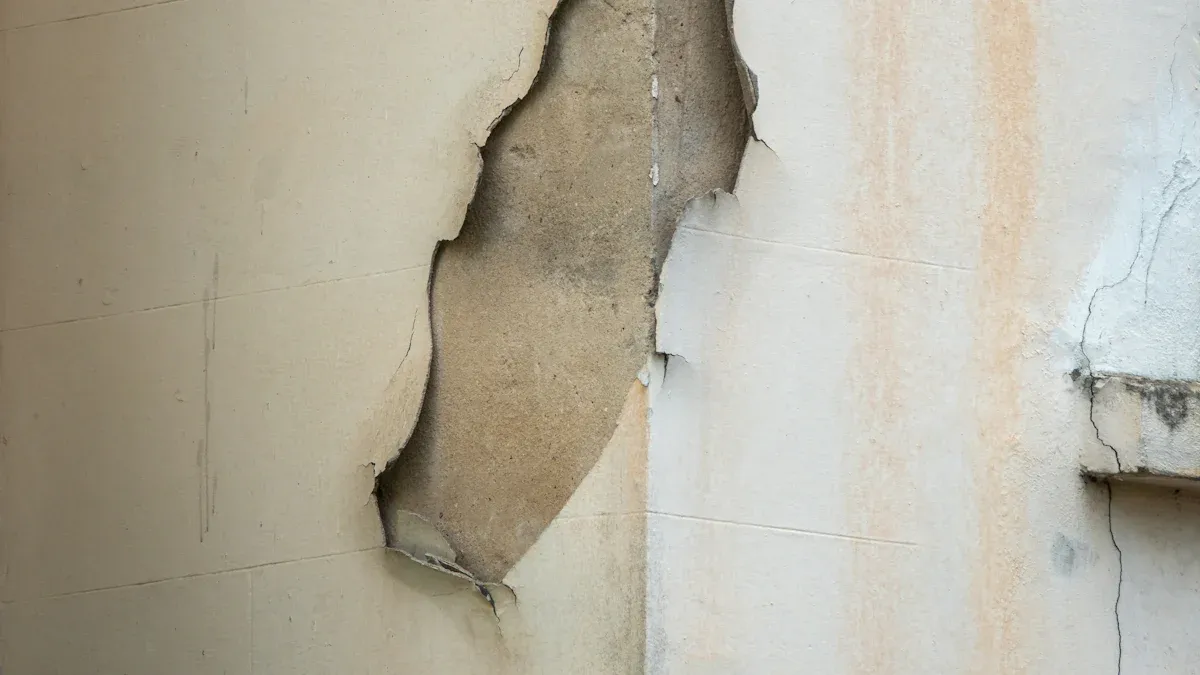
Traditional methods for repairing concrete cracks often fall short. These techniques frequently provide only temporary fixes. They fail to address the underlying issues causing the damage.
Surface-Level Fixes and Their Failures
Surface repairs represent a common approach. However, these methods rarely offer a lasting solution. They primarily focus on the visible damage.
Why surface repairs don’t address root causes
Surface repairs merely cover the crack. They do not investigate the forces or conditions creating the crack. For instance, structural movement or freeze-thaw cycles continue to affect the concrete beneath the repair. This allows the crack to reappear or worsen over time. The repair acts as a superficial bandage rather than a comprehensive treatment.
Inadequate sealant penetration in cracks
Sealants applied to the surface struggle to penetrate deeply into the crack. Gravity and surface tension often limit how far the material can travel. This leaves significant portions of the crack unfilled. Water and contaminants can still enter these unsealed areas. This compromises the repair’s effectiveness and durability.
Durability Issues with Older Methods
Older concrete repair methods frequently faced significant durability challenges. Their materials and application techniques often led to premature failure.
Shortcomings of outdated repair materials
Outdated repair materials possessed inherent weaknesses. These properties contributed to their poor long-term performance.
- Weak adhesion: Many materials struggled to bond effectively with existing concrete. This was a primary reason for repair failure.
- Excessive shrinkage: Repair materials often shrank too much as they cured. This created new gaps and stresses.
- Low tensile strength: The materials could not withstand pulling forces well. This made them prone to cracking again.
- Low fatigue strength: Repeated stress cycles quickly degraded the repairs.
- High chloride penetration: This increased the vulnerability of embedded steel to corrosion.
- High susceptibility to carbonation: The materials degraded over time due to atmospheric carbon dioxide.
- Low resistance to aggressive environmental impact: External factors like chemicals or extreme temperatures easily damaged the repairs.
- Incompatibility in properties: Differences in Young’s modulus, creep factor, thermal expansion, or water absorbability between the repair material and existing concrete introduced new hazards. For example, a too-dense repair concrete could form concentration cells.
Ineffective long-term solutions for concrete
These material shortcomings meant older methods provided ineffective long-term solutions. Repairs often failed within a few years. They required frequent re-application or more extensive interventions. This resulted in higher maintenance costs and ongoing structural concerns.
Inconsistent Results from Low-Pressure Applications
Low-pressure injection techniques also presented significant limitations. They struggled to achieve consistent and reliable crack repairs.
Challenges in achieving full crack fill
Low-pressure applications typically operate within a narrow range, often between 20-40 PSI. This limited pressure often proves insufficient to overcome resistance within the crack network. The sealant struggles to reach the full depth and extent of the crack. This leaves voids and unsealed sections. Applicators find it difficult to ensure complete saturation of the crack with the liquid polymer.
Difficulty in uniform sealant distribution
Achieving uniform sealant distribution throughout the crack proves challenging with low-pressure methods. The sealant may flow unevenly. It can bypass narrower sections or fail to fill intricate crack patterns. This leads to inconsistent repair quality. Some areas receive adequate sealant, while others remain vulnerable.
What is a High-Pressure Injection Packer?
A high-pressure Injection Packer represents a specialized tool. It plays a crucial role in modern concrete crack repair. This device allows technicians to deliver sealants with precision and force into concrete fissures. It ensures a thorough and lasting repair.
Defining the Injection Packer’s Core Function
An Injection Packer serves as a conduit. It directs repair materials into the smallest and deepest parts of a crack. This function is vital for effective restoration.
Devices for controlled sealant delivery
These devices provide controlled sealant delivery. They allow operators to manage the flow and pressure of the repair material. This control prevents waste and ensures the sealant reaches its intended target. Technicians can adjust the injection process to match the specific characteristics of each crack.
Ensuring deep and uniform penetration into cracks
The primary goal of an Injection Packer is to ensure deep and uniform penetration. It overcomes the resistance within the crack network. This action pushes the sealant into every void and crevice. The result is a complete fill, which creates a strong, monolithic bond within the concrete.
Key Components of an Injection Packer
An Injection Packer consists of several key components. Each part contributes to its effectiveness in high-pressure applications.
Ports and valves for precise injection
Most packers include an anti-return ball valve. This valve opens under pressure. It prevents material backflow when technicians disconnect the pressure line. The valve closes upon depressurization. This action stops injection resin from flowing back out. Its location can vary, appearing at the top, base, or shaft of the packer. In standard high-pressure valves, a spring loads the ball. Low-pressure valves omit the spring for lower injection pressures.
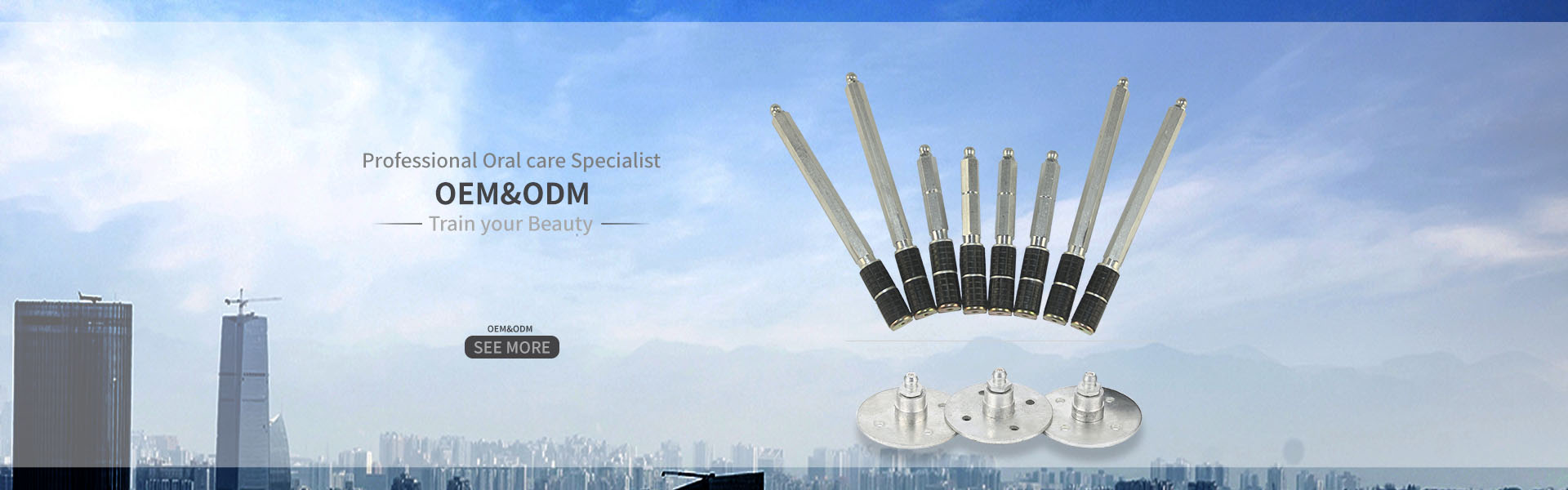
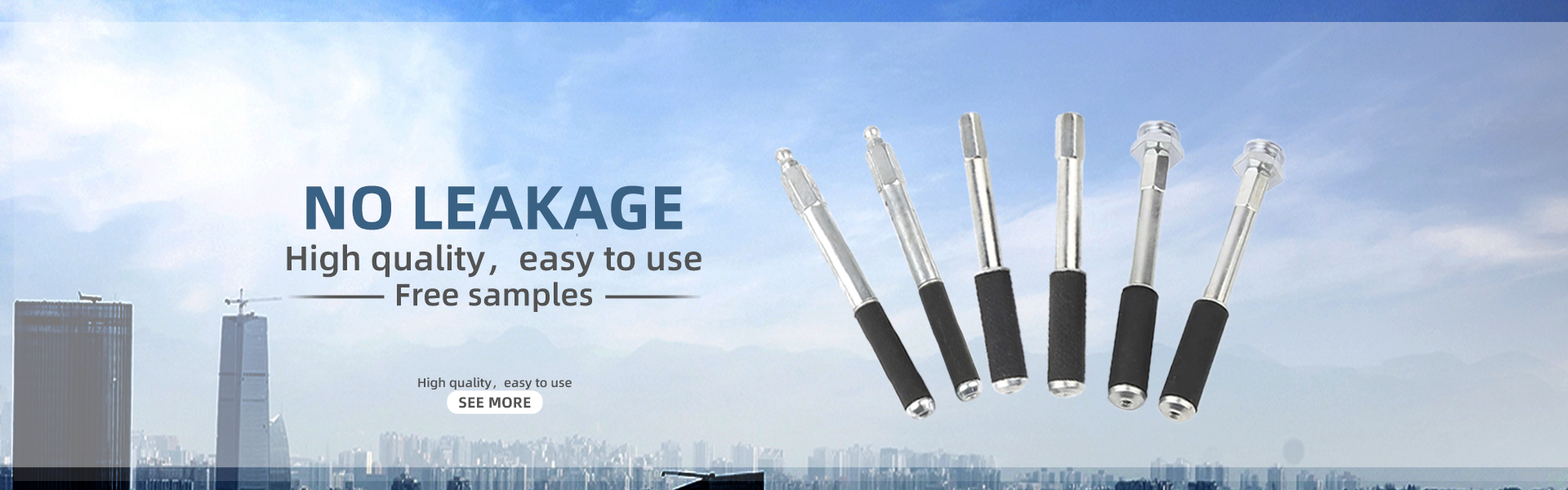
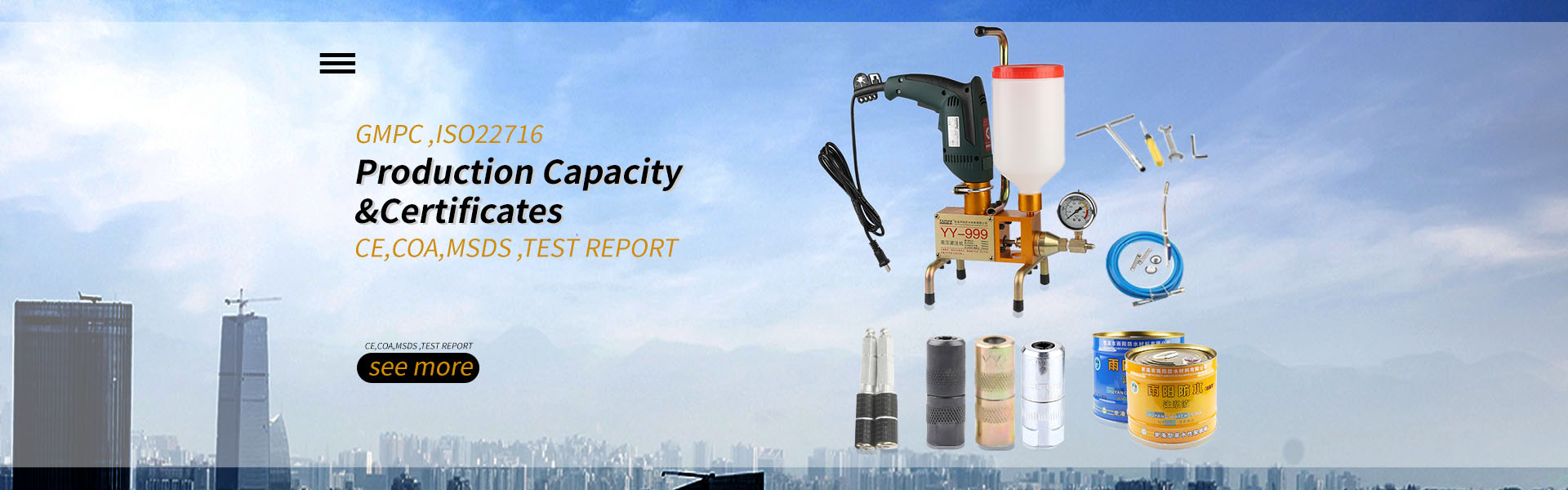
Packers commonly feature either a zerk fitting or a button head for connection. The zerk type sees wide use for medium to high injection pressures. It offers ease of connection and disconnection. The button head type benefits high-volume applications. It provides a superior connection suitable for single-operator, overhead, and large-scale injections. An anti-return valve, typically a steel ball in the packer’s shaft, prevents product back-flow. The grease nipple serves as a crucial connector. It links the injection packer to the high-pressure grout pump. Typically made from nickel-plated steel, it offers good ductility, toughness, high mechanical properties, and corrosion resistance. It incorporates a one-way ball valve. This valve prevents the injected material, like PU, from flowing back.
Sealing mechanisms for pressure retention
The packer body provides support after grout injection. Its length can vary, commonly ranging from 80mm to 1000mm. A typical selection is half the thickness of the concrete being treated. The rubber tube’s quality is critical for the packer’s stability within the hole. High-quality rubber is soft and highly elastic. It ensures that PU foam does not leak during injection.
Types of Injection Packers
Different crack repair scenarios demand different types of packers. Two common types are mechanical and adhesive packers.
Mechanical packers and their applications
Mechanical packers use an expanding rubber sleeve. Technicians tighten a nut, which compresses the rubber. This action expands the sleeve against the sides of the drilled hole. It creates a tight seal. Mechanical packers are robust. They handle very high injection pressures. They find common use in structural repairs and active water leak sealing. Their applications include foundations, tunnels, and dams.
Adhesive packers and their uses
Adhesive packers attach to the concrete surface. Technicians use a fast-setting epoxy or similar adhesive to bond them over the crack. These packers are suitable for cracks where drilling is not feasible or desired. They work well for hairline cracks or when access is limited. Adhesive packers typically handle lower injection pressures compared to mechanical types. They are effective for non-structural crack sealing and cosmetic repairs.
The Revolutionary Mechanism: How High-Pressure Injection Packers Work
High-pressure injection packers represent a significant advancement in concrete repair. They employ a sophisticated mechanism to deliver sealants effectively. This process ensures comprehensive crack repair.
Creating a Sealed Pathway for Sealant
The first step in high-pressure injection involves establishing a sealed pathway. This pathway guides the sealant directly into the crack. It prevents material from escaping prematurely.
Ensuring sealant reaches the crack’s full depth
Technicians strategically drill small holes along the crack. They insert an Injection Packer into each hole. Once in place, the packer expands. This expansion creates a tight seal against the concrete. This seal ensures the sealant travels deep into the crack. It does not simply spread across the surface.
Preventing leakage during the injection process
The tight seal formed by the packer is critical. It prevents the injected sealant from leaking out. This containment allows pressure to build within the crack. The pressure then forces the sealant into every void. This method ensures maximum penetration and a complete fill.
Achieving Deep Penetration with an Injection Packer
High-pressure injection packers excel at achieving deep penetration. They overcome the natural resistance within concrete cracks. This capability is vital for lasting repairs.
Overcoming resistance within the crack network
Concrete cracks often have irregular shapes and varying widths. They present significant resistance to sealant flow. High-pressure systems generate substantial force. This force pushes the sealant through these complex pathways. It ensures the material reaches even the most remote sections of the crack.
Reaching the entire crack matrix effectively
Laboratory tests confirm that steel injection packers can sustain pressures exceeding 400 bar. This robust performance is crucial. It drives viscous repair materials deep into fine and complex crack networks. This ensures comprehensive penetration. Steel injection packers are engineered to withstand and maintain substantial injection forces. Their excellent sealing performance actually improves as pressure increases. This allows them to effectively drive repair materials deep into concrete cracks. This includes the finest capillaries. It ensures complete void filling and structural reinforcement. The main components of steel injection packers, often made from 42 CrMo steel, ensure high strength and durability. This material allows them to maintain their shape and function even under extreme pressure. This facilitates deep penetration of repair materials into complex crack networks.
Controlled and Consistent Sealant Delivery
The system provides precise control over sealant delivery. This control is essential for optimal repair quality.
Preventing voids and ensuring complete fill
High pressure ensures the sealant completely fills the crack. It eliminates air pockets and voids. These voids often compromise the integrity of repairs. The continuous flow under pressure guarantees a solid, uniform fill. This creates a strong bond within the concrete.
Regulating flow and pressure for optimal results
Operators can regulate the flow rate and pressure. This adjustment matches the specific crack conditions. For instance, wider cracks may require a higher flow. Narrower cracks benefit from sustained pressure. This precise control optimizes sealant distribution. It ensures the best possible repair outcome.
Compatibility with Advanced Sealants
High-pressure injection packers truly revolutionize concrete repair when paired with advanced sealants. These specialized materials work synergistically with the high-pressure delivery system. This combination ensures not only deep penetration but also a lasting, effective repair tailored to specific crack characteristics.
Polyurethanes and their properties for crack repair
Polyurethane (PU) sealants offer exceptional properties for concrete crack repair, especially in dynamic environments. This polymer, composed of organic units joined by carbamate links, provides both flexibility and resilience. Its flexible nature allows it to accommodate slight movements within the concrete without breaking. This makes it particularly valuable in structures subject to movement or vibration.
Polyurethanes possess several key characteristics that make them ideal for crack repair:
- Excellent flexibility: This allows the sealant to move with the concrete, preventing re-cracking.
- Strong adhesion to concrete: Polyurethane forms a robust bond with the existing concrete.
- Effective handling of joint movement: It maintains its integrity even when cracks expand or contract.
- Resistance to weathering: Polyurethane withstands environmental exposure.
- Suitability for exterior crack repairs: With added UV stabilizers, it performs well outdoors.
Technicians often choose polyurethane for waterproofing and sealing active leaks. It works effectively in damp or water-leaking environments. The table below summarizes its key properties for injection:
| Property | Polyurethane Injection (PU) |
|---|---|
| Flexibility | High flexibility, suitable for moving cracks |
| Water Resistance | Excellent, can be applied in wet conditions |
| Strength | Moderate, ideal for non-structural repairs |
| Application Conditions | Works well in damp or water-leaking environments |
| Primary Use | Waterproofing, sealing active leaks, dynamic crack filling |
Epoxies and their benefits for structural bonding
Epoxy resins provide a different set of advantages, primarily focusing on structural bonding and strength restoration. These thermosetting resins cure when mixed with a hardener, forming a strong, rigid material. This makes them ideal for situations where restoring the concrete’s original structural integrity is paramount.
Epoxies offer significant benefits for structural crack repair:
- Thermosetting Resin: It cures when mixed with a hardener, forming a strong, rigid material.
- Heat and Chemical Resistance: This makes it ideal for tough environments where structural integrity is crucial.
- Strong Adhesion: Epoxy forms an exceptional bond with concrete surfaces, ensuring long-term repair integrity.
- Durability: It offers a lasting solution for crack repair.
- Waterproof: Once cured, it creates a barrier against water intrusion.
- Non-shrinkage: It maintains a solid, stable repair without shrinking after curing.
- Rigid Material: Upon injection, it creates a strong, rigid material that restores the foundation’s original strength.
- Excellent Chemical Resistance: This property makes it suitable for demanding applications.
- Abrasion Resistance: This contributes to its durability in environments exposed to heavy traffic and harsh conditions.
Epoxy’s ability to create a strong, rigid bond makes it the preferred choice for structural cracks. It effectively welds the concrete back together, restoring its load-bearing capacity.
Key Advantages of High-Pressure Injection Packers
High-pressure injection packers offer significant benefits for concrete crack repair. They provide solutions that surpass traditional methods in effectiveness and longevity.
Superior Crack Penetration and Sealing
High-pressure injection systems ensure comprehensive crack repair. They force sealant deep into the concrete.
Reaching the entire crack matrix for a permanent bond
High-pressure injection drives repair materials into every part of a crack. This includes even the smallest micro-fissures. The sealant fills the entire crack network. This action creates a monolithic bond within the concrete. This bond effectively welds the damaged sections together. The result is a permanent repair that restores structural integrity.
Creating a watertight and durable seal
The complete penetration achieved with high-pressure injection forms a robust, watertight seal. This seal prevents water from entering the crack. Water ingress often leads to further deterioration, such as rebar corrosion or freeze-thaw damage. A durable seal protects the concrete from environmental factors. It significantly extends the structure’s service life.
Enhanced Durability and Longevity of Repairs
Repairs performed with high-pressure injection packers demonstrate superior durability. They offer long-term solutions for concrete structures.
Creating a long-lasting concrete repair
This method creates repairs that last for many years. The deep penetration and strong bond ensure the repair material becomes an integral part of the concrete. This contrasts sharply with surface-level fixes that often fail prematurely. The quality of the repair materials, combined with precise application, contributes to this extended lifespan.
Preventing future crack propagation and damage
A fully sealed crack stabilizes the concrete element. This stabilization prevents the existing crack from growing larger. It also reduces the likelihood of new cracks forming nearby. By eliminating pathways for water and corrosive agents, the repair protects the concrete from future damage. This proactive approach safeguards the structure’s long-term health.
Versatility Across Various Crack Types
High-pressure injection packers adapt to a wide range of concrete crack scenarios. This versatility makes them an invaluable tool in concrete repair.
Effective for hairline to structural cracks
The system effectively repairs all types of cracks. It handles hairline cracks, which are often difficult to treat with other methods. It also addresses large structural cracks that compromise load-bearing capacity. The adjustable pressure and flow rates allow technicians to tailor the injection process to each specific crack size and type.
Adapting to diverse concrete conditions
High-pressure injection works well in various concrete conditions. It performs effectively in both dry and wet environments. Specialized sealants, like polyurethanes, even activate in the presence of water, making them ideal for active leaks. This adaptability ensures reliable repairs across different concrete ages, compositions, and exposure conditions.
Reduced Repair Time and Labor Costs
High-pressure injection packers significantly reduce the time and labor associated with concrete crack repair. This efficiency translates directly into cost savings for projects.
Efficiency of the injection process
The injection process itself is highly efficient. Technicians can quickly set up the equipment and begin injecting sealant into cracks. The high pressure ensures rapid and thorough penetration of the repair material. This eliminates the need for extensive manual labor often required by traditional patch-and-fill methods. Furthermore, many advanced sealants, such as certain polyurethanes and epoxies, cure relatively quickly. This allows for faster project completion and quicker return to service for the repaired structure.
Minimizing disruption to operations and structures
High-pressure injection repair is a targeted process. It focuses only on the damaged areas. This minimizes disruption to ongoing operations or the surrounding structure. Unlike extensive demolition and reconstruction, injection repair requires less intrusive work. This means less noise, dust, and debris. Businesses can often continue operations with minimal interruption. This approach reduces downtime and associated costs.
Improved Structural Integrity of Concrete
High-pressure injection packers play a crucial role in restoring and enhancing the structural integrity of concrete. They provide a robust solution for damaged elements.
Restoring strength to damaged concrete elements
High-pressure epoxy injection, facilitated by injection packers, effectively restores the structural integrity of damaged concrete. This method essentially welds cracks back together. The repair often becomes stronger than the original concrete itself. Bond strengths can exceed 2,000 PSI. Injection packers, also known as ports, serve as precise entry points for the epoxy resin. This resin fills cracks and creates a strong, cohesive bond. The process involves precise injection and careful monitoring. This ensures the resin completely fills the entire crack. This prevents future movement and degradation of the concrete.
The restoration process follows a clear sequence:
- Preparation and Sealing: Technicians clean the crack thoroughly. They install injection ports along its length. An epoxy paste then seals the surface of the crack.
- Injection and Monitoring: Workers inject low-viscosity epoxy from the lowest port. They carefully manage pressure and monitor resin flow. This ensures the entire crack fills completely.
- Curing and Finishing: The epoxy cures to full strength, which can take up to 24 hours. Afterward, technicians remove the ports and surface seal. This reveals a smooth, structurally sound repair.
Epoxy resin, an engineered material, meets stringent ASTM C881 standards. Low-viscosity epoxies are ideal for hairline cracks. Moisture-tolerant epoxies suit damp environments. Dual-component injection pumps mix the resin and hardener in precise ratios just before injection. This ensures a consistent and reliable cure. Injection ports, or packers, act as entry points for the epoxy. Surface-mount ports are common. Drill-in packers are necessary for deeper cracks or when higher pressures are required.
Preventing water ingress and corrosion
The epoxy creates an impervious seal within the concrete. This seal prevents water and other contaminants from reaching the embedded rebar. Water ingress is a primary cause of rebar corrosion. By blocking this pathway, high-pressure injection protects the steel reinforcement. This significantly extends the lifespan of the concrete structure. Improved durability is a direct result. An epoxy-injected crack resists future movement and degradation from environmental stressors. This comprehensive sealing action safeguards the concrete against long-term damage.
Applications of High-Pressure Injection Packers
High-pressure injection packers find extensive use across various concrete structures. They provide effective and lasting solutions for diverse repair challenges.
Basement Walls and Foundations
Basement walls and foundations are critical structural components. They often experience cracking due to soil movement, hydrostatic pressure, or settling. High-pressure injection packers offer essential repair capabilities for these areas.
Preventing water leaks and dampness
Cracks in basement walls frequently lead to water leaks and dampness. High-pressure injection packers create a strong and durable seal. This seal resists pressure and movement. Materials like epoxy resins and polyurethane foams expand and harden. They form a watertight barrier. This method is effective in hard-to-reach areas. Technicians insert packers through small holes. This seals cracks from the inside. It eliminates extensive excavation. Packers also seal irregularly shaped voids. This ensures a watertight seal where traditional methods might fail. The process is minimally invasive. It is cost-effective and efficient for waterproofing applications.
Strengthening foundational structural elements
High-pressure injection packers show great versatility for strengthening foundational elements. They seal cracks in concrete foundations. They also fill voids in masonry walls. This method is effective in various situations. Other repair methods may not be suitable. While initial costs might be higher, the long-term benefits lead to overall savings. This includes reduced labor and excavation needs. The sealant materials are often non-toxic and low in VOCs. This reduces waste and environmental impact by avoiding demolition.
Parking Garages and Bridge Decks
Parking garages and bridge decks endure constant stress from heavy traffic and environmental exposure. High-pressure injection packers are crucial for maintaining their structural integrity.
Restoring structural integrity in high-traffic areas
These structures experience significant wear and tear. Cracks compromise their load-bearing capacity. High-pressure injection of epoxy resins effectively welds these cracks. It restores the concrete’s original strength. This ensures the safety and longevity of these vital infrastructure elements. The repair withstands continuous vehicle loads.
Protecting against environmental damage and wear
Water, de-icing salts, and temperature fluctuations accelerate concrete deterioration. High-pressure injection creates a watertight seal. This seal prevents corrosive agents from penetrating the concrete. It protects reinforcing steel from corrosion. This significantly extends the service life of parking garages and bridge decks.
Tunnels and Retaining Walls
Tunnels and retaining walls face unique challenges. They must withstand constant water and soil pressure. High-pressure injection packers provide robust solutions for these demanding environments.
Sealing against water and soil pressure
Tunnels often encounter groundwater infiltration. Retaining walls must resist hydrostatic pressure. High-pressure injection effectively seals these structures. It prevents water ingress. This protects the interior of tunnels from flooding. It also prevents soil erosion behind retaining walls. The injected sealants form a durable barrier.
Enhancing long-term stability of structures
Water and soil pressure can destabilize tunnels and retaining walls over time. Sealing cracks with high-pressure injection enhances their long-term stability. It prevents further deterioration. This method reinforces the concrete. It ensures the structures remain sound and safe for their intended purpose.
Industrial Floors and Slabs
Industrial floors and slabs face constant abuse. Heavy machinery, chemical spills, and continuous traffic cause significant wear. High-pressure injection packers offer robust solutions for these demanding environments. They ensure the longevity and safety of critical operational areas.
Repairing stress cracks and wear from heavy use
Industrial floors endure immense stress. Forklifts, heavy equipment, and dynamic loads create stress cracks. These cracks compromise the slab’s integrity. High-pressure injection packers effectively address this damage. They inject specialized epoxy resins into the cracks. This process restores the concrete’s structural strength. The epoxy bonds the concrete sections together. It creates a monolithic repair. This repair often exceeds the original concrete’s strength.
- Common Causes of Damage:
- Heavy point loads from machinery.
- Vibration from manufacturing processes.
- Thermal expansion and contraction.
- Impact from dropped objects.
- Chemical exposure.
Technicians use high-pressure injection to fill voids beneath slabs. This stabilizes the floor. It prevents further cracking and settlement. The method ensures a durable repair. It withstands the harsh conditions of industrial settings.
Maintaining a safe and functional surface
Cracked and damaged industrial floors pose significant safety hazards. They create tripping risks for personnel. They also damage equipment and products. High-pressure injection repairs eliminate these dangers. They restore a smooth, even surface. This smooth surface improves operational efficiency. It allows for safe movement of goods and workers.
Tip: Regular inspection and timely repair of industrial floors prevent minor cracks from escalating into major structural issues. This proactive approach saves significant repair costs and minimizes operational downtime.
The repaired floors resist future wear. They withstand chemical exposure and heavy traffic. This maintains a functional workspace. It reduces the need for frequent, disruptive repairs. A well-maintained floor contributes to a safer and more productive industrial environment. It also extends the overall lifespan of the facility’s infrastructure.
Selecting the Right Injection Packer and Sealant
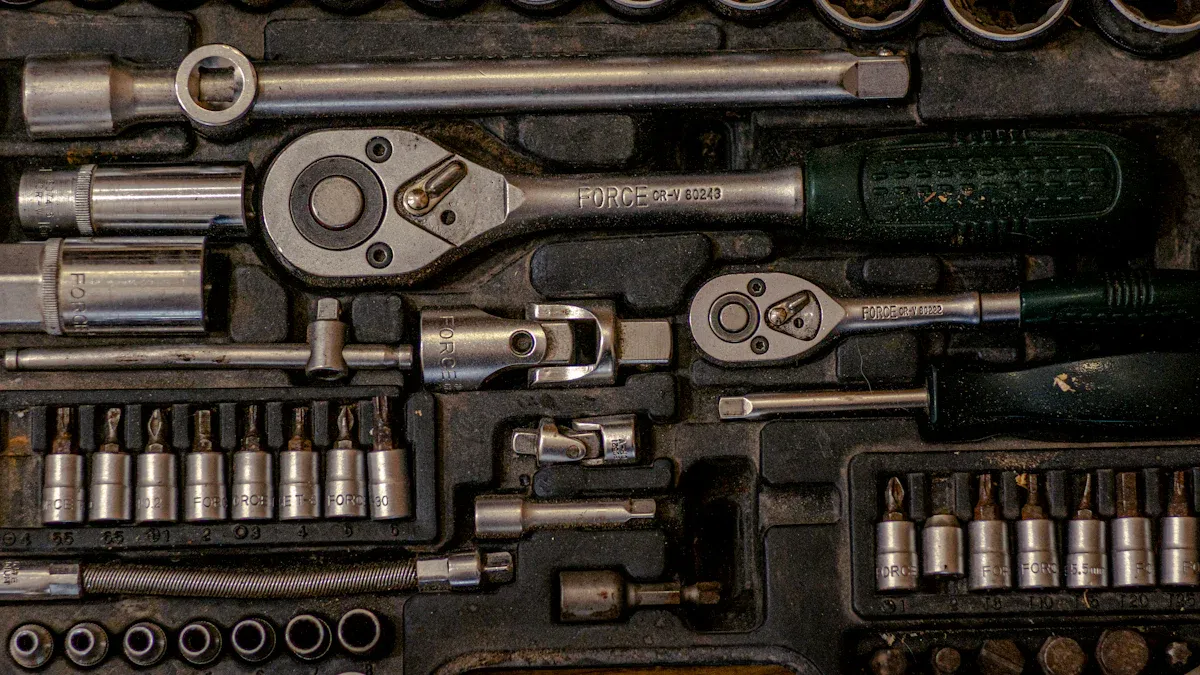
Effective concrete crack repair demands careful selection of both the injection packer and the sealant. Professionals consider several factors to ensure a successful and lasting repair.
Assessing Crack Characteristics for Repair
Understanding the nature of the crack guides the entire repair process. Technicians thoroughly evaluate each crack before choosing materials and methods.
Width, depth, and movement of cracks
The physical characteristics of a crack significantly influence repair decisions. Technicians measure the crack’s width and estimate its depth. They also assess if the crack exhibits any movement. Hairline cracks, for example, require different approaches than wide, active fissures. Movement indicates ongoing structural stress, necessitating a flexible sealant.
Environmental factors and exposure conditions
The environment surrounding the crack also plays a crucial role. Technicians consider moisture levels, temperature fluctuations, and exposure to chemicals or UV light. A crack in a dry, interior wall needs different treatment than one in a constantly wet foundation or an outdoor bridge deck.
Choosing the Appropriate Injection Packer Type
Selecting the correct packer ensures efficient and effective sealant delivery. Several factors guide this choice.
Matching packer to crack size and access
The packer’s size, including its diameter and length, must match the drilled hole and the required injection depth. The head type, such as Zerk or button heads, determines the connection to injection equipment. Project-specific requirements and the characteristics of the concrete formation also influence the choice.
Considering required injection pressure
The packer must withstand the pressure of the injected material. High-pressure applications demand robust packers. The material durability of the packer is also important. Packers made from high-pressure-resistant and corrosion-resistant materials, like steel, are essential for repairs in harsh environments. The construction pressure, dictated by crack depth and material viscosity, determines if a high-pressure or low-pressure needle is needed.
Matching Sealant to Application Needs
The choice of sealant directly impacts the repair’s effectiveness and longevity. Each type offers distinct advantages for specific crack conditions.
Polyurethane for active leaks and flexibility
Polyurethane sealants are often the preferred choice for specific repair scenarios. They are highly effective for leaks or non-load-bearing surfaces. Technicians use polyurethane for wet or actively leaking cracks, especially where water is actively entering. This solution suits cosmetic or non-structural cracks, such as those in basement walls, retaining walls, or underground concrete surfaces. Because polyurethane remains flexible after curing, it accommodates slight movement or shifting in the concrete. It forms permanent, waterproof, and weatherproof seals for exterior gaps and joints, withstanding harsh environments. It bonds to various substrates like concrete, brick, stucco, metal, and wood.
Epoxy for structural bonding and strength
Epoxy sealants excel in structural repair applications. Epoxy injection is the preferred choice for structural cracks that threaten foundation stability. It suits cracks that are wide or have significant voids. Epoxy forms a rigid, durable bond. It seals the crack and reinforces the structure, providing long-term durability. This method is ideal when lasting structural repair is critical, such as in load-bearing walls or areas under heavy stress. Epoxy is effective for both horizontal and vertical cracks. It is recommended for structural repairs and performs best when little to no moisture surrounds the crack. Epoxies restore tensile strength due to their rigid adhesive properties.
Importance of Professional Expertise
High-pressure injection concrete crack repair is a specialized process. It requires more than just the right tools and materials. The expertise of the professionals performing the work significantly impacts the repair’s success.
Ensuring proper application techniques for effectiveness
Skilled technicians understand the nuances of concrete behavior. They accurately diagnose crack types and their underlying causes. This diagnostic ability guides their choice of injection packer and sealant. Professionals also master the precise application techniques. They know how to drill injection holes correctly. They properly install packers. They manage injection pressure and flow rates. Incorrect application can lead to incomplete crack filling. It can also cause sealant leakage. This compromises the repair’s integrity.
Professionals often hold specific training and certifications. These credentials ensure they possess the necessary knowledge and skills. For example, the International Masonry Institute (IMI) offers a Concrete Repair Certificate Program. This program provides relevant training for concrete repair specialists. The International Concrete Repair Institute (ICRI) publishes guidelines like ICRI 210.1R – Guide for Verifying Field Performance of Epoxy Injection of Concrete Cracks. This resource helps professionals ensure quality. The American Concrete Institute (ACI) also offers courses. Structural Crack Repair by Epoxy Injection (RAP 1) is a required course within their Repair Application Procedures program. These certifications demonstrate a commitment to best practices.
Maximizing repair success and longevity
Professional expertise directly contributes to the long-term success of concrete repairs. Experienced technicians select the optimal materials for specific environmental conditions. They consider factors like moisture exposure and structural movement. Their precise application prevents common repair failures. These failures include delamination or re-cracking. A correctly executed repair becomes an integral part of the concrete structure. It resists future damage.
Professionals also understand the importance of post-repair monitoring. They can identify potential issues early. This proactive approach extends the repair’s lifespan. It maximizes the return on investment for property owners. Ultimately, relying on trained experts ensures the repair is not just a temporary fix. It becomes a durable solution. This solution restores the concrete’s structural integrity and performance for many years.
High-pressure injection packers have fundamentally transformed concrete crack repair. They provide a precise, durable, and efficient solution for various concrete issues. This advanced method effectively addresses the limitations of traditional repair techniques. It ensures the long-term structural integrity and performance of concrete structures. Professionals now rely on this technology for superior, lasting results.
FAQ
What is the main benefit of high-pressure injection?
High-pressure injection ensures deep, uniform sealant penetration. It creates a permanent bond within the concrete. This method restores structural integrity and prevents future damage. It offers a superior, long-lasting repair solution.
Can high-pressure injection fix all types of cracks?
Yes, this method effectively repairs various crack types. It works for hairline cracks and large structural fissures. Technicians adjust pressure and sealant to match specific crack characteristics. This versatility makes it highly adaptable.
What types of sealants do high-pressure packers use?
High-pressure packers primarily use polyurethanes and epoxies. Polyurethanes offer flexibility and seal active leaks. Epoxies provide structural bonding and strength. Professionals select the sealant based on crack type and environmental conditions.
Is this method suitable for wet cracks?
Yes, high-pressure injection is highly effective for wet cracks. Polyurethane sealants, for instance, react with water. They form a watertight seal. This makes the method ideal for basement walls or other damp environments.
How long do high-pressure injection repairs last?
High-pressure injection repairs offer exceptional longevity. The deep penetration and strong bond ensure the repair becomes an integral part of the concrete. This method often outlasts traditional surface fixes. It provides a durable, long-term solution.
Is professional help necessary for this repair?
Yes, professional expertise is crucial. Skilled technicians accurately diagnose crack types. They select appropriate materials and apply precise techniques. This ensures the repair’s effectiveness and longevity. Improper application can compromise integrity.
What is the difference between mechanical and adhesive packers?
Mechanical packers expand inside drilled holes. They handle high pressures for structural repairs. Adhesive packers bond to the surface. They suit hairline cracks or limited access areas. They typically use lower injection pressures.
Post time: Jan-20-2026