
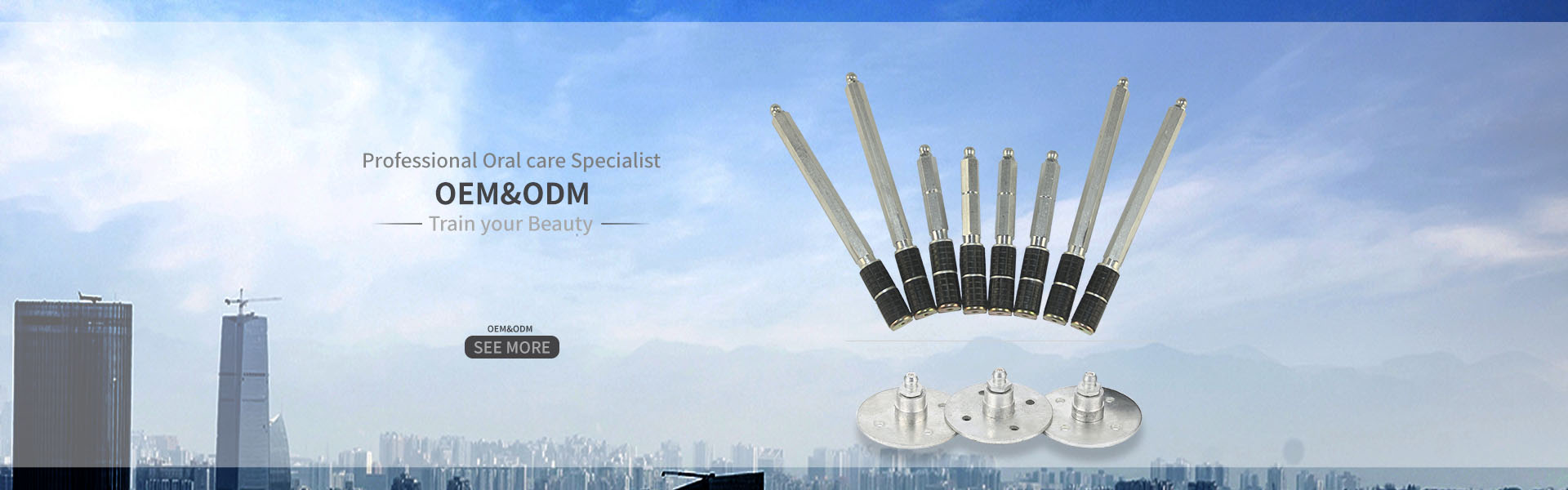
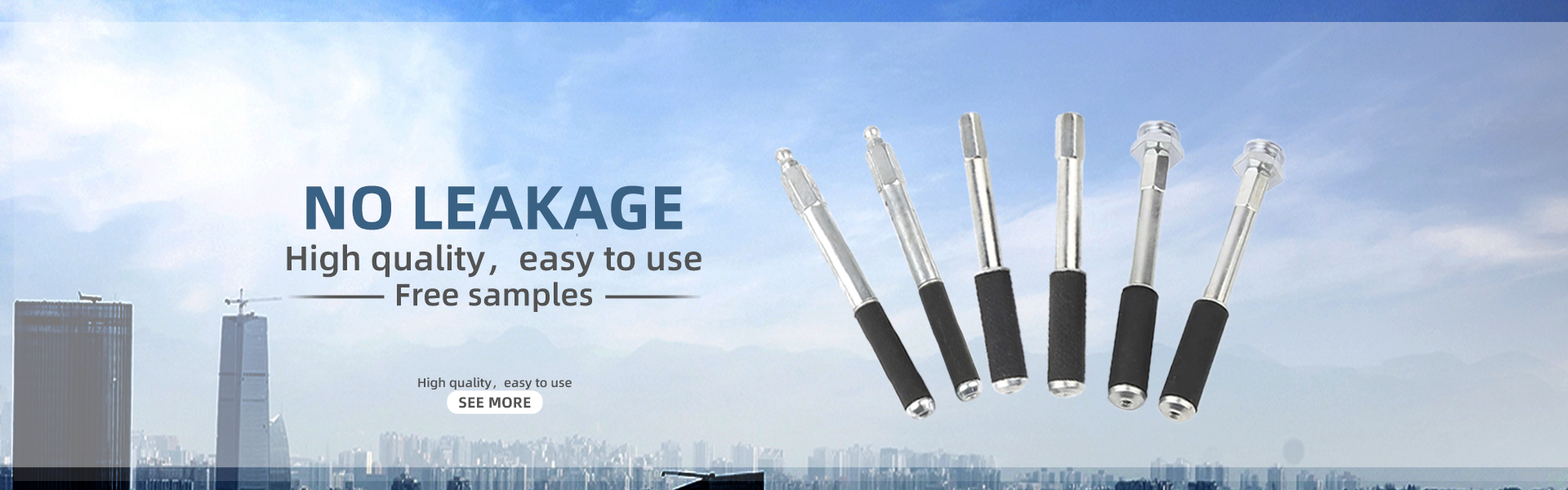
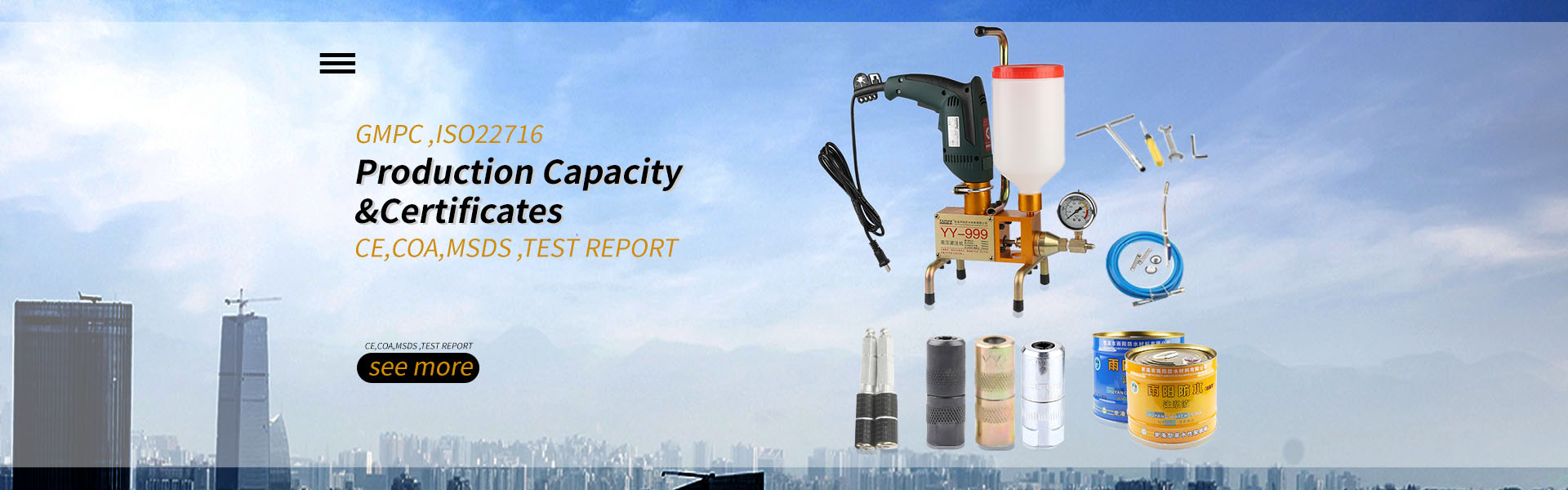
Cracked tiles significantly impact a property’s appearance and structural integrity. Tiles often crack due to underlying issues. For instance, improperly spaced joists can cause inadequate support, leading to bending and eventual cracking. Cracks in the concrete substrate also frequently extend across multiple tiles. Furthermore, insufficient concrete curing time makes the subfloor prone to cracking, which then affects the tiles above. The Ceramic tile repair packer offers an effective solution for these common problems. This innovative tool helps restore damaged tiles. It provides a durable and aesthetically pleasing repair, ensuring a seamless finish. The Ceramic tile repair packer Ceramic tile repair packer Ceramic tile repair packer Ceramic tile repair packer ensures a comprehensive approach to tile restoration.
Key Takeaways
- The Ceramic Tile Repair Packer fixes cracked tiles. It injects a special compound into damaged areas.
- This tool saves money and time. It avoids removing and replacing tiles.
- The packer stops water damage. It seals cracks and protects the subfloor.
- It keeps tiles looking good. The repair makes tiles look new again.
- Clean the tile surface well. This helps the repair compound stick strongly.
- Mix the repair compound carefully. Follow the instructions for the best results.
- Apply the compound precisely. Smooth it to match the tile surface.
- Let the repair dry completely. This makes the fix strong and long-lasting.
Understanding the Ceramic Tile Repair Packer
What is a Ceramic Tile Repair Packer?
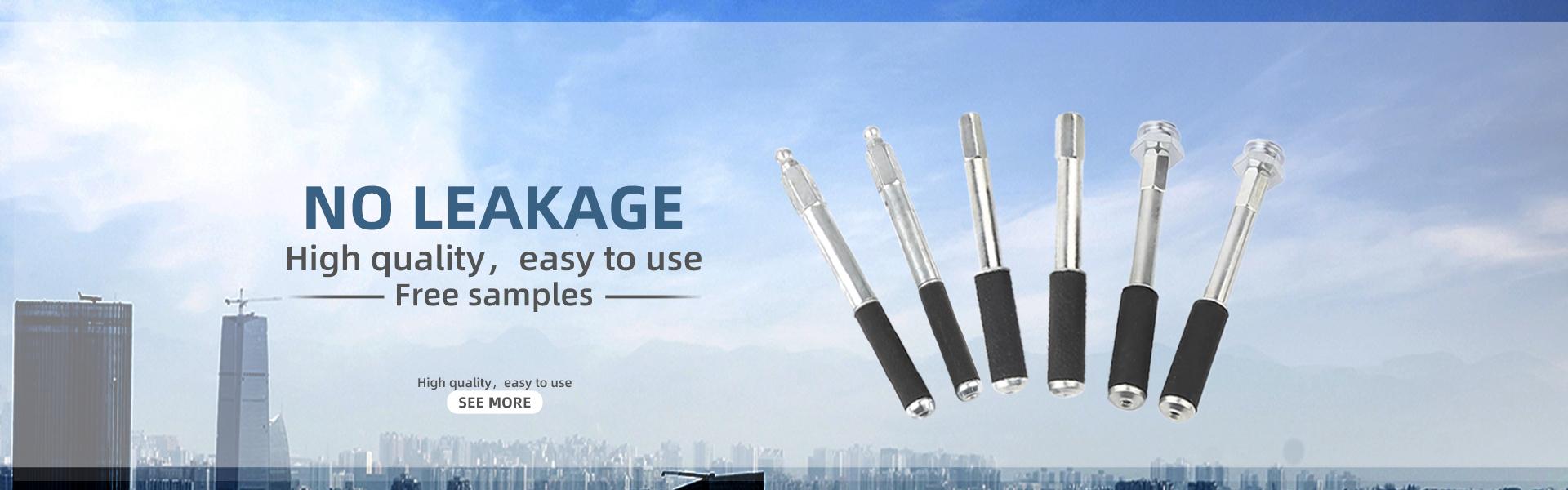
A Ceramic tile repair packer provides a specialized tool for fixing cracked or loose tiles. This innovative device allows for precise injection of repair compounds into damaged areas. It targets the root cause of tile instability without requiring tile removal. The packer ensures a strong, lasting bond, restoring the tile’s integrity.
Components of a repair kit
A typical repair kit for ceramic tiles includes the Ceramic tile repair packer itself and the repair compound. The compound often consists of several key ingredients. These components work together to create a durable and effective repair.
- Portland cement: 20-60 parts by weight
- Quartz sand: 50-70 parts by weight
- Re-dispersible gelatin powder: 1.5-5.5 parts by weight
- Cellulose ether: 0.2-0.4 part by weight
- Alcohol compound: 0.01-0.16 part by weight
Other common components in tile adhesives include aggregates like silica sand, dolomite, or limestone, which form the main body of the adhesive. Fillers such as calcium carbonate enhance consistency. Cellulose ether acts as a water retention agent, crucial for workability and proper cement hydration.
How it works for crack repair
The Ceramic tile repair packer works by injecting a specialized repair compound directly into the crack or void beneath the tile. Its micro-pore design allows for targeted application. This ensures the material reaches deep into the substrate. The compound then cures, creating a robust connection. This process effectively stabilizes the tile and prevents further movement. The deep penetration capability ensures a secure anchor, addressing the underlying issue of tile instability.
Benefits of Using a Ceramic Tile Repair Packer
Using a Ceramic tile repair packer offers numerous advantages for tile maintenance and repair. It provides an efficient and reliable method for addressing common tile problems.
Cost-effective and efficient solution
This repair method offers a highly cost-effective and efficient solution. It eliminates the need for demolition, which saves significant time, labor, and material costs. Property owners avoid the expense of purchasing new tiles and hiring extensive labor for replacement. The process is quick, minimizing disruption to daily activities.
Prevents further damage and water infiltration
Repairing cracks with the packer prevents further damage to the tiled surface. It seals the cracks, stopping water from seeping into the subfloor. Water infiltration can lead to more severe structural issues, mold growth, and additional tile damage. The strong bond created by the repair material reinforces the tile, enhancing its longevity.
Maintains aesthetic appeal and property value
A well-maintained tiled surface significantly contributes to a property’s aesthetic appeal. Cracked or loose tiles detract from the overall look. The Ceramic tile repair packer restores the tile’s appearance, making the repair virtually invisible. This maintains the property’s visual appeal and helps preserve its market value. Addressing tile issues promptly protects the investment in the property.
Essential Tools and Materials for Ceramic Tile Repair Packer Application
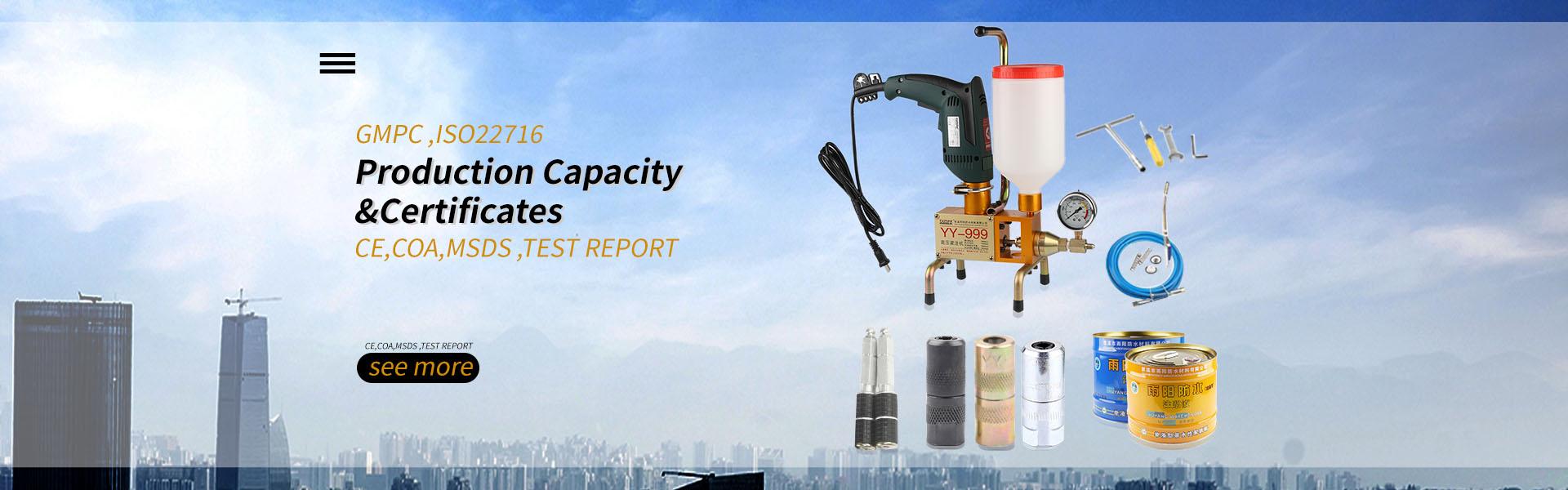
Successful tile repair requires the right tools and materials. Professionals prepare their workspace and gather all necessary items before starting. This ensures a smooth and efficient repair process.
Gathering Your Ceramic Tile Repair Packer Kit
The foundation of any tile repair project is a comprehensive kit. This kit contains the primary components for fixing cracked or loose tiles.
Ceramic tile repair packer kit contents
A standard Ceramic tile repair packer kit includes the packer tool itself. It also contains the specialized repair compound. This compound typically comes in two parts: a filler and a hardener. The packer tool is compact, measuring 2*100mm. This size allows for precise application in tight spaces. Each carton contains 1000 pieces, providing ample supply for various projects. The kit ensures users have everything needed for effective tile restoration.
Filler and hardener types
The choice of filler and hardener depends on the specific tile material and environmental conditions. Different formulations offer varying properties like strength, flexibility, and water resistance.
| Filler Type | Composition | Key Properties | Recommended Application |
|---|---|---|---|
| Cement-Based Grout | Cement, sand, additives | Durable, stable | Standard tile installations on floors and walls where water resistance is not primary |
| Epoxy Grout | Epoxy resins, filler powder | Superior strength, stain-resistant, waterproof | Wet areas (bathrooms, kitchens, swimming pools), high-moisture, stain-prone areas |
| Premixed Grout | Ready-to-use formulation | Convenient, easy application | General use, but may offer less durability/water resistance than cement/epoxy |
| Silicone Caulk | Flexible sealant | Excellent waterproofing, flexibility | Gaps/joints around tiles, countertops, fixtures; wet areas, expansion joints |
| Latex-Modified Grout | Cement-based grout with latex additives | Enhanced flexibility, adhesion, water resistance | High-moisture areas (bathrooms, kitchens, showers); reduces cracking/shrinking |
The hardener activates the filler, initiating the curing process. Users must select the correct type for optimal repair results.
Necessary Cleaning and Preparation Supplies
Proper preparation is crucial for a lasting repair. Cleaning supplies ensure the repair compound adheres effectively.
Stiff brush and degreaser
A stiff brush removes loose debris and dirt from the cracked area. A degreaser cleans any oil, grease, or residue. These contaminants can prevent the repair material from bonding properly. A clean surface promotes maximum adhesion.
Clean cloths or rags
Clean cloths or rags wipe away excess cleaner and dry the area. They also help remove any dust or particles after brushing. Professionals ensure the surface is completely dry before applying any repair compounds.
Application and Finishing Tools for Ceramic Tile Repair Packer
These tools assist in applying the repair compound and achieving a smooth finish.
Masking tape for protection
Masking tape protects surrounding tiles from accidental spills or smears. Users apply it along the edges of the cracked tile. This creates a clean boundary for the repair.
Putty knife or spatula
A putty knife or spatula mixes the filler and hardener. It also applies the compound precisely into the crack. Its flat edge helps spread and smooth the material.
Fine-grit sandpaper
Fine-grit sandpaper smooths any cured repair material. It removes small imperfections and creates a flush surface. This prepares the area for blending and polishing.
Safety gloves and glasses
Safety gloves protect hands from chemical exposure. Safety glasses shield eyes from splashes or dust. Personal protective equipment is essential for safe handling of repair materials.
Step-by-Step Guide to Preparing and Applying the Ceramic Tile Repair Packer
Professionals follow a systematic approach for effective tile repair. This ensures a durable and aesthetically pleasing outcome. Each step requires careful attention to detail.
Preparing the Cracked Tile Area
Proper preparation is the foundation of any successful tile repair. It ensures the repair compound adheres strongly and lasts a long time.
Cleaning and degreasing the surface
Technicians begin by thoroughly cleaning the cracked tile area. This process removes all dirt, oils, and loose material. Complete removal of these contaminants is crucial for optimal adhesion. It often requires specialized cleaners and mechanical preparation. For cracks and chips, technicians slightly enlarge the damaged area. This creates clean, solid edges. It provides a stable foundation for the repair compound. This ensures long-term success. The compound bonds effectively to sound material.
Several methods ensure optimal surface preparation. Chemical cleaning is highly effective for creating etched surfaces. Abrasion methods like sandblasting or using abrasive materials roughen surfaces. Degreasing cleans surfaces with hot alkali solutions or solvent vapor. This ensures they are free of rust, paint, and mill scale. Hot alkali is more effective for residual contaminants. Atmospheric plasma treatment enhances surface receptiveness. Flame treatment improves adhesion for various materials. Corona treatment increases surface energy.
For ceramic tiles, strong degreasers should be avoided. They can potentially damage the tile or grout. Microbial cleaners, such as CoverClean AE or Emerald Floor Maintainer, effectively consume oil and grease. They do not leave residue. If technicians use degreasers or mild soapy solutions, they apply them in low concentrations. This is typically 1-2 ounces per gallon on sealed surfaces. This prevents damage. Biodegradable degreasers are also recommended for oil-based residues on tiles.
After cleaning, technicians assess the surface conditions. They remove existing coatings completely. This exposes bare tile or stable concrete. They eliminate oils, grease, and other contaminants. This strengthens the bond. Technicians remove unstable fragments from the substrate. They profile the surface to ensure superior adhesion. If abrasive methods are used, they remove dust and residual particles. They rinse off chemical residues. Finally, they ensure the surface is completely dry. Moisture can compromise adhesion.
Securing the repair zone with masking tape
After cleaning, technicians secure the repair zone with masking tape. They apply the tape along the edges of the cracked tile. This protects surrounding tiles from accidental spills or smears. It creates a clean boundary for the repair. This step ensures a neat and professional finish.
Mixing the Ceramic Tile Repair Packer Compound
The repair compound’s effectiveness depends on correct mixing. Technicians follow specific instructions for this critical step.
Following manufacturer instructions for filler and hardener
Technicians always follow the manufacturer’s instructions for mixing the filler and hardener. Different compounds have unique ratios and mixing times. Adhering to these guidelines ensures the compound cures properly. It also achieves its maximum strength. Ignoring instructions can lead to a weak or ineffective repair.
Achieving the right consistency for application
Technicians mix the filler and hardener thoroughly. They use a putty knife or spatula for this task. The goal is to achieve a smooth, uniform consistency. It should be free of lumps or streaks. The compound should be thick enough to stay in the crack but fluid enough to penetrate deeply. This consistency allows for easy application and optimal performance.
Applying the Ceramic Tile Repair Packer to the Crack
Precise application of the repair compound is essential. It ensures the crack is fully filled and the repair is strong.
Using a putty knife for precise application
Technicians use a putty knife for precise application of the mixed compound. They scoop a small amount onto the knife. Then, they carefully press it into the crack. This method allows for controlled placement of the material. It minimizes waste and ensures accuracy.
Ensuring deep penetration into the crack
The Ceramic tile repair packer works by ensuring deep penetration. Technicians press the compound firmly into the crack. They use the edge of the putty knife. This action forces the material deep into the void. It fills all crevices and air pockets. Deep penetration creates a strong, secure bond. It effectively stabilizes the tile.
Smoothing and leveling the repair material
After filling the crack, technicians smooth and level the repair material. They use the flat edge of the putty knife. They scrape away any excess compound. The goal is to make the repaired area flush with the surrounding tile surface. This step creates a seamless appearance. It prepares the tile for the final finishing stages.
Curing and Finishing Your Ceramic Tile Repair Packer Project
Professionals complete a tile repair project by properly curing and finishing the repaired area. These steps ensure durability and a seamless appearance. Careful attention to detail during this phase guarantees a long-lasting fix.
Allowing Adequate Curing Time for the Ceramic Tile Repair Packer
Proper curing is essential for the repair material to achieve its full strength. Technicians must allow sufficient time for this process.
Understanding drying periods
Environmental factors significantly influence the curing of cementitious materials. These factors include temperature, wind, and humidity. High temperatures accelerate setting and reduce working time. They also increase evaporation, which can lead to plastic shrinkage cracking. Conversely, low temperatures slow down hydration. They delay strength gain, making the material susceptible to damage. Manufacturers typically recommend a temperature range for optimal curing. This range is often 50-90 °F (10-32 °C). High wind speeds and low humidity dramatically increase moisture evaporation from exposed surfaces. This significantly raises the risk of plastic shrinkage cracking. Direct sunlight also contributes to increased surface temperature and evaporation. These factors often interact. A combination of adverse conditions can lead to more severe issues like cracking. This occurs even if individual factors might be manageable under ideal circumstances.
Protecting the repaired area during curing
Technicians implement curing measures immediately after surface finishing. This prevents moisture loss, especially in adverse weather. They protect exposed surfaces from direct sunlight, high winds, and low humidity. Professionals plan operations within the manufacturer’s recommended temperature range. In hot weather, they use chilled mixing water. They cool aggregates and equipment. They work during cooler parts of the day and provide shade. In cold weather, they use heated mixing water. They store materials warmly. They heat the substrate if needed. They provide thermal protection to prevent freezing and ensure strength gain. Technicians avoid placement if temperatures are expected to fall below freezing within 12-24 hours without special precautions. In windy or low-humidity conditions, they use windbreaks or fog misting. They apply an evaporation retarder immediately after placement. This minimizes plastic shrinkage cracking. Comprehensive environmental management is crucial for successful curing of the Ceramic tile repair packer.
Sanding and Polishing the Repaired Area
After the repair material cures, technicians sand and polish the area. This creates a smooth, integrated finish.
Using fine-grit sandpaper for a smooth finish
For polishing ceramic tiles, technicians start with coarse sandpaper. This removes significant blemishes or roughness. They then gradually transition to finer sandpaper. This achieves a smooth surface. This approach ensures effective impurity removal and a refined finish. Technicians start with 220 grit sandpaper. This removes minor chips or old coatings. They progress to 400 grit for smoothing and preparing the surface. They finish with 600 grit for final polishing before painting.
Buffing for a seamless appearance
Technicians utilize high-quality polishing compounds. These compounds are compatible with the specific ceramic tile type. This enhances results and achieves a durable, glossy surface. They apply the polishing compound with a clean buffing pad. They move it in circular motions. This amplifies shine and ensures even application. After polishing, they apply a quality sealant. This protects the surface from water and stains. It prolongs the life and pristine appearance of the tiles. The appropriate polishing compound depends on the tile material and desired finish. Some compounds are for glazed tiles, others for unglazed tiles. Technicians consider the grit level of compounds. Coarser compounds are for initial scratch and stain removal. Finer compounds are for the final glossy finish. They use the correct quantity of compound. Insufficient amounts may not produce shine. Excessive application can be messy and reduce efficacy. Technicians select polishing machines and pads that correspond to the specific ceramic tile type. Rotary polishers are typically for flat surfaces. Handheld devices are better for edges and corners. Polishing pads come in various grit levels and materials. Coarse pads remove scratches. Finer pads achieve a high-gloss finish. Technicians ensure pads are specifically designed for ceramic tiles to prevent damage. Buffing ceramic and porcelain tiles is often straightforward. It requires a soft cloth or a soft buffer.
Matching Color and Texture for an Invisible Ceramic Tile Repair Packer Fix
Achieving an invisible repair requires careful attention to color and texture matching. This step ensures the repaired area blends seamlessly with the original tile.
Tips for blending the repair
Technicians use a purpose-built leveling device. This device is integrated into product tubes. It creates a smooth, level surface. They adjust gloss levels. They apply a high-gloss product directly for high-gloss tiles. For semi-gloss or matte tiles, they tap the repair with a gloved hand after partial drying. This matches the matte level. They carefully sand the hardened filler. This achieves a smooth and even surface. They replicate the tile’s natural texture through skilled application.
Achieving an invisible fix
Technicians use specialized sealants or topcoats. These mimic the original appearance. This applies whether the tile is matte, glossy, or textured. Blending the repair effectively makes the fix virtually undetectable. This restores the tile’s original beauty and integrity.
Advanced Tips for Durable and Invisible Ceramic Tile Repair Packer Results
Achieving a durable and invisible tile repair requires precision and adherence to best practices. Professionals employ advanced techniques to ensure the longevity and aesthetic appeal of their work. These tips help avoid common pitfalls and maintain the integrity of the tiled surface.
Preventing Common Mistakes with Ceramic Tile Repair Packer
Careful application prevents common errors that compromise repair quality. Technicians focus on meticulous execution during every step.
Avoiding overfilling the crack
Professionals understand the importance of precise compound application. Overfilling a tile crack with repair compound leads to visually noticeable raised repairs. These raised areas are also prone to damage from foot traffic or cleaning. This then necessitates additional work to correct the issue. Technicians apply just enough compound to fill the crack flush with the tile surface. This prevents unsightly bumps and future damage.
Ensuring proper ventilation during curing
Proper ventilation is crucial for the repair compound to cure effectively. Technicians ensure good airflow in the repair area. This helps dissipate any fumes and promotes even drying. Adequate ventilation prevents moisture buildup, which can hinder the curing process. It also helps the compound achieve its maximum strength and durability.
When to Consider Professional Help for Tile Damage
While the Ceramic tile repair packer handles many issues, some tile damage requires expert intervention. Knowing when to call a professional saves time and prevents further complications.
Large or complex cracks
Extensive cracks, especially those spanning multiple tiles, often indicate underlying structural problems. Professionals possess the expertise to diagnose these complex issues. They use specialized tools and techniques for comprehensive repairs. Large cracks may require more than a simple filler.
Structural tile damage
Tiles showing signs of structural damage, such as significant subfloor movement or widespread loosening, need professional assessment. These issues often stem from foundation problems or improper installation. A professional can identify the root cause and implement a lasting solution. They prevent recurrence of the damage.
Maintaining Your Repaired Tiles After Using Ceramic Tile Repair Packer
Proper maintenance extends the life of repaired tiles. It also preserves their appearance. Technicians advise clients on best practices for long-term care.
Regular cleaning practices
Regular cleaning helps maintain the repaired area. Technicians recommend using mild, pH-neutral cleaners. Harsh chemicals can degrade the repair compound over time. Gentle cleaning prevents dirt and grime buildup. This keeps the tile surface looking new.
Protecting against future damage
Preventative measures safeguard repaired tiles from future damage.
- Ensure proper installation by hiring experienced professionals or carefully following instructions. Use appropriate adhesive and support.
- Perform regular maintenance. Clean with gentle, appropriate products to prevent dirt buildup and surface wear.
- Handle furniture and heavy items cautiously. Use felt pads under legs to reduce impact and pressure.
- Control temperature by avoiding extreme changes. Maintain a consistent indoor climate to prevent expansion and contraction.
- Place mats or rugs in high-traffic areas. This reduces wear and tear on tile surfaces.
- Conduct routine inspections. Address minor damages promptly to prevent them from escalating.
These practices help preserve the integrity and appearance of the tiled surface.
The Ceramic tile repair packer provides an effective solution for damaged tiles. Professionals can confidently restore cracked tiles, ensuring both aesthetic appeal and structural integrity. This innovative tool allows users to:
- Successfully fix cracked tiles with precision.
- Restore tile appearance and integrity with confidence.
- Enjoy a long-lasting and professional-looking repair.
This method ensures a durable and seamless finish, preserving the property’s value.
FAQ
What is a Ceramic Tile Repair Packer?
It is a specialized tool. It injects repair compound into cracked or loose tiles. This tool stabilizes the tile. It prevents further damage. It restores the tile’s integrity without removal.
Can I use the Ceramic Tile Repair Packer on all types of tiles?
The Ceramic Tile Repair Packer works effectively on most common tile types. These include ceramic and porcelain. Always check the product specifications. Ensure compatibility with your specific tile material.
How long does the repair take to cure?
Curing time varies. It depends on the specific compound and environmental conditions. Manufacturers provide instructions. They specify drying periods. Protect the repaired area during this time.
Is the repair visible after application?
Proper application and finishing make the repair virtually invisible. Technicians match color and texture. They blend the repair seamlessly. This restores the tile’s original appearance.
What if the crack is very wide or deep?
The Ceramic Tile Repair Packer works best for minor to moderate cracks. Very wide or deep cracks may indicate structural issues. Professionals recommend seeking expert help for these complex damages.
Does the Ceramic Tile Repair Packer prevent future cracks?
The repair packer stabilizes existing cracks. It reinforces the tile. This reduces the likelihood of new cracks in the repaired area. Addressing underlying causes of damage also helps prevent future issues.
Do I need special tools to apply the Ceramic Tile Repair Packer?
The kit includes the packer and compound. You will need basic cleaning supplies. A putty knife, masking tape, and fine-grit sandpaper are also essential. Safety gloves and glasses protect you.
Post time: Nov-26-2025