
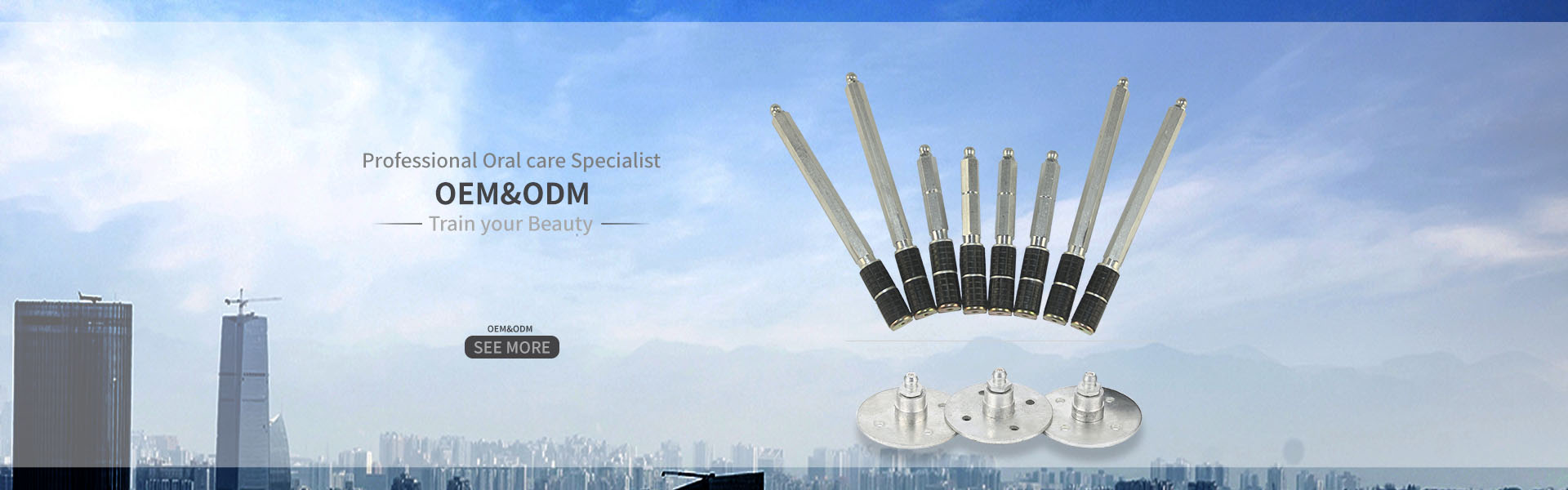
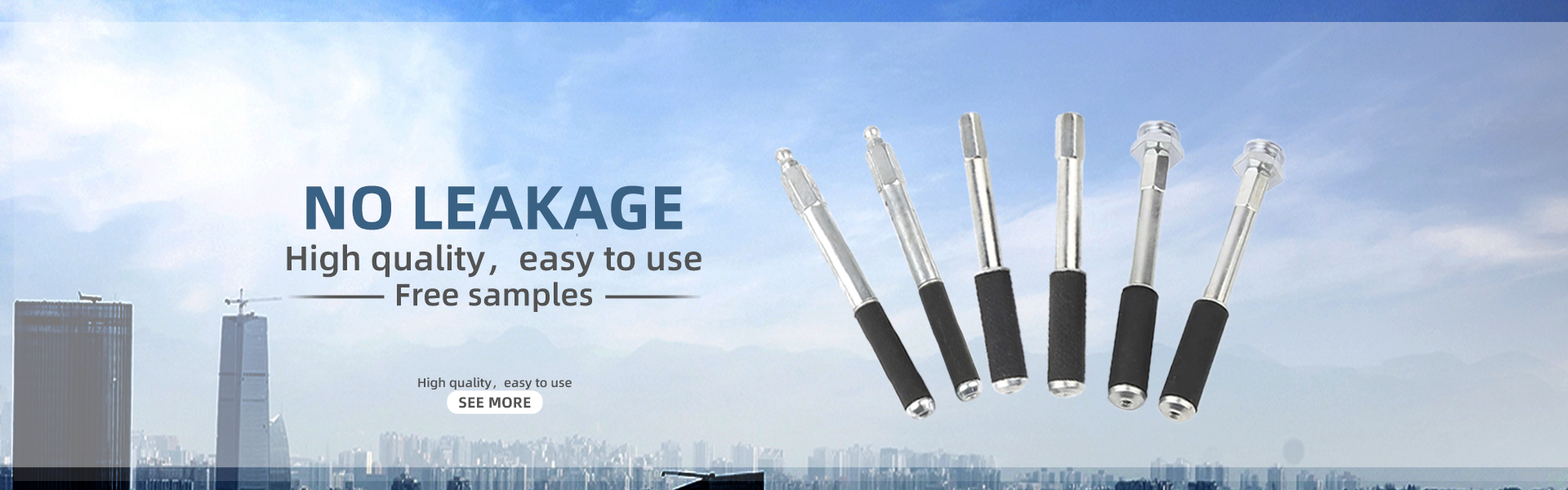
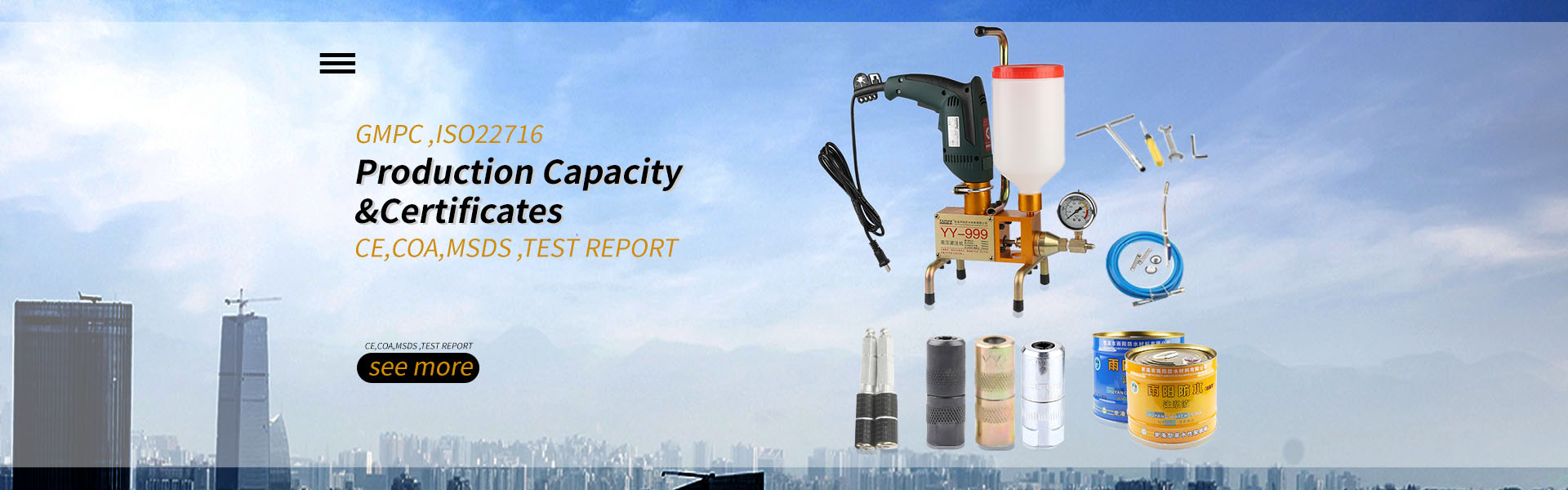
Achieving lasting concrete crack repair requires precise methods. Steel Injection Packers offer a robust solution. They ensure effective grout penetration deep into cracks, which is crucial for restoring structural integrity. Proper application of these Steel Injection Packers prevents future structural issues, securing the concrete’s long-term durability and performance. This approach provides a reliable foundation for any concrete repair project.
Key Takeaways
- Steel Injection Packers fix concrete cracks. They help grout fill cracks deeply. This makes concrete strong again.
- Prepare cracks well before using packers. Clean the crack and seal its surface. This helps the repair work best.
- Pick the right packer size. Match the packer to the drill hole. This stops grout from leaking out.
- Space packers correctly. Through-cracks need wider spacing. Blind cracks need closer spacing.
- Drill holes at a 45-degree angle. This helps grout spread inside the crack. Tighten packers firmly for a good seal.
- Connect injection equipment to packers. Use different grouts for different cracks. Watch grout flow and pressure.
- Check if grout fills the crack. Grout should come out of nearby packers. Pressure will also build up.
- Remove packers after grout dries. Fill the holes left by packers. Clean up any extra grout.
Preparing for Steel Injection Packer Installation
Proper preparation forms the foundation for successful concrete crack repair. This crucial phase ensures the effectiveness of steel injection packers and the longevity of the repair. It involves a thorough assessment of the concrete cracks and meticulous surface preparation before any packers are placed.
Assessing Concrete Cracks for Repair
Before beginning any repair work, a detailed assessment of the concrete cracks is essential. This step guides the entire repair process, from material selection to injection pressure.
Identifying Crack Characteristics
Identifying the specific characteristics of each crack is the first step. Concrete structures often develop various types of cracks that require attention. These include leaking expansion joints, which accommodate movement, and construction or daywork joints, which are typically non-moving. Leaking membrane compartment systems and leaking walls, often due to honeycombing or poor concrete compaction, also present common repair challenges. Furthermore, general cracks in concrete structures frequently result from excessive load or stress. Steel injection packers provide the necessary strength and resistance for injecting various materials into these diverse crack types, ensuring effective repair.
Determining Crack Depth and Width
Accurately determining the depth and width of each crack is critical. Technicians use visual inspection and sometimes specialized tools or probes to gauge these dimensions. The crack’s width influences the type of injection material and the pressure required for effective penetration. Its depth dictates the length of the steel injection packer needed and the drilling depth for packer placement. This detailed understanding ensures the repair strategy aligns with the crack’s specific nature.
Surface Preparation Before Packer Placement
Once technicians assess the cracks, thorough surface preparation begins. This stage ensures optimal adhesion of sealing materials and efficient grout penetration.
Cleaning the Crack and Surrounding Area
A clean surface is paramount for successful injection. Technicians must meticulously clean the crack and the surrounding concrete area. For epoxy injection, they remove all dust and debris from the crack before inserting the injection packers. Similarly, for general injection grouting, cleaning cracks and drill holes thoroughly ensures proper grout adhesion. This often involves using wire brushes, vacuums, or compressed air to eliminate loose particles, dirt, and contaminants.
Sealing the Crack Surface for Injection
After cleaning, technicians seal the crack surface. This step prevents the injected grout from leaking out during the injection process and directs the material deep into the crack. They typically apply an epoxy paste or a quick-setting cement to the crack’s surface, creating a temporary barrier. This sealant must cure sufficiently to withstand the injection pressure. Proper sealing ensures the grout travels along the crack path, achieving comprehensive filling and structural integrity.
Selecting and Spacing Steel Injection Packers
Proper selection and spacing of packers are crucial steps in achieving effective concrete crack repair. These decisions directly impact the success of grout penetration and the overall integrity of the repair. Technicians must carefully consider the characteristics of the crack and the injection materials.
Choosing the Right Steel Injection Packer Size
Selecting the correct packer size ensures efficient injection and prevents material leakage. Two primary factors guide this choice: matching the packer diameter to the drill hole and considering the required injection pressure.
Matching Packer Diameter to Drill Hole
The packer’s diameter must precisely match the drill hole size. This creates a tight seal, preventing grout from escaping around the packer during injection. Common steel injection packer diameters are 10mm and 13mm, typically with a length of 100mm. These dimensions are suitable for many crack injection scenarios. Other common diameters for man-made structures include 5/8” (16mm), ½” (13mm), 3/8” (10mm), and 1/4” (6mm). The packer diameter should always equal the drill hole diameter for optimal performance.
Considering Injection Pressure Requirements
Injection pressure significantly influences packer selection. Larger mechanical packer diameters generally allow for higher injection pressures. These packers are chosen for their high strength and ability to withstand significant pressure. This makes them suitable for crack injection requiring high-pressure impact to ensure thorough slurry filling and construction stability. To minimize the risk of packers exiting the drill hole under pressure, technicians must ensure correct installation and use packers of the right dimensions. Larger packers generally offer better blow-out prevention than smaller ones. Other considerations include the type of injection, desired flow rate, saturation capacity, anchoring strength, and borehole leveling.
Optimal Spacing for Steel Injection Packers
Correct spacing of packers ensures uniform grout distribution throughout the crack. The nature of the crack dictates the optimal spacing.
Spacing for Through-Cracks
For through-cracks, which extend completely through the concrete element, technicians can typically use wider spacing. Grout injected into one packer can travel a greater distance along the crack path. This happens because the material has an exit point on the opposite side. Spacing often ranges from 6 to 12 inches (15 to 30 cm) for these types of cracks.
Spacing for Blind Cracks
Blind cracks do not penetrate the entire concrete section. They require closer packer spacing. The grout must fill the crack from the injection point without an exit on the other side. Closer spacing ensures complete filling and prevents air pockets. Technicians often place packers every 4 to 6 inches (10 to 15 cm) for blind cracks.
Adjusting Spacing for Crack Severity
Crack severity also influences packer spacing. Wider or more complex cracks, such as those with branching patterns, may require closer spacing. This ensures comprehensive grout penetration into all parts of the crack network. Narrow, straight cracks might allow for slightly wider spacing. Technicians adjust spacing based on visual assessment and experience to achieve the best repair outcome.
Drilling and Installing Steel Injection Packers
Proper drilling and installation of packers are critical steps. These actions directly influence the effectiveness of the entire concrete repair process. Technicians must execute these procedures with precision to ensure a successful and lasting repair.
Drilling Holes for Steel Injection Packers
Accurate drilling creates the foundation for secure packer placement and efficient grout injection. Technicians must select the correct tools and apply proper techniques.
Selecting the Correct Drill Bit
Choosing the right drill bit is essential. The drill bit’s diameter must precisely match the diameter of the Steel Injection Packer. This ensures a snug fit and a reliable seal when technicians insert the packer. Using a bit that is too small prevents proper insertion, while a bit that is too large compromises the seal, leading to grout leakage during injection. Technicians typically use hammer drills with carbide-tipped bits for concrete, as these tools efficiently penetrate hard materials.
Achieving Proper Drill Angle and Depth
Technicians must achieve the correct drill angle and depth for optimal sealing and grout distribution. They typically drill holes at an approximate 45° angle to intersect the crack effectively. This angle allows the grout to spread along the crack path. The drill depth usually extends to the wall thickness minus 5-10 cm. This ensures the packer sits deep enough within the concrete. For proper sealing, the mechanical packer’s shaft must recess deep enough into the drill hole. This creates an adequate compression seal and prevents spalling, which is the breaking away of concrete fragments. In cases of weak substrate or deteriorated concrete, technicians recommend longer packers, specifically 4 to 6 inches (10-15 cm).
| Parameter | Value |
|---|---|
| Drilling Angle | Approximately 45° |
| Drill Depth | Wall thickness minus 5-10cm |
| Packer Type | Steel packers |
| Packer Length | Does not matter in standard injection |
Securing Steel Injection Packers in Place
Once technicians drill the holes, they proceed with securing the packers. This step ensures a robust connection for the injection equipment and prevents grout escape.
Proper Insertion Technique for Packers
Technicians insert the packers into the pre-drilled holes. They push the packer firmly until it sits flush with or slightly below the concrete surface. This ensures the packer’s sealing mechanism engages correctly with the borehole walls. For mechanical packers, the rubber sleeve compresses against the concrete as technicians tighten the nut, creating a watertight seal. Proper insertion prevents the packer from dislodging during the high-pressure injection process.
Tightening Packers for a Leak-Proof Seal
After insertion, technicians tighten the packers to create a leak-proof seal. They use a wrench to turn the nut on the packer, which expands the rubber sleeve inside the drill hole. This expansion creates significant pressure against the concrete, effectively sealing the hole around the packer. Technicians must apply sufficient torque to achieve a secure seal but avoid over-tightening, which could damage the concrete or the packer itself. A properly tightened packer withstands the injection pressure, directing the grout entirely into the crack.
The Concrete Injection Process with Steel Injection Packers
The concrete injection process represents the core of crack repair, where technicians introduce specialized grout into the concrete structure. This phase demands precision and careful monitoring to ensure the material effectively fills all voids and cracks, restoring the concrete’s integrity. Steel Injection Packers play a crucial role in facilitating this high-pressure operation.
Connecting Injection Equipment to Packers
Properly connecting the injection equipment to the packers ensures a sealed system for efficient grout delivery. This step involves attaching the pump and hose and preparing the injection material.
Attaching Pump and Hose to Packers
Technicians connect the injection pump and hose to the installed packers. Zerk fittings are a popular connection type for injection packers. These fittings facilitate quick setup and disconnection due to the widespread availability of injection equipment that uses 4-jaw couplers. Packers serve as connecting pieces between the structural element and the injection device for material injection. This secure connection prevents leakage and directs the grout precisely into the crack.
Preparing the Injection Material
Preparing the injection material involves mixing the chosen grout according to manufacturer specifications. Various grout types suit different repair needs. Common options include polyurethane (PU), epoxy (EP), polyacrylate, and silicate grouts. Technicians also frequently use polyurethane foam, epoxy resin, and acrylic gel. Each material possesses unique properties, such as flexibility, strength, or water-reactive expansion, making it suitable for specific crack conditions, like dry structural cracks or active water leaks.
Performing the Grout Injection Through Packers
Executing the grout injection requires a systematic approach, controlling pressure and monitoring material flow to achieve comprehensive crack filling.
Initiating Injection Pressure
Technicians initiate the injection process by gradually increasing pressure from the pump. The Steel Injection Packer’s robust design and reliable sealing performance ensure the grout actually enters the target cracks and defects. This higher pressure capacity enhances the long-term effect of reinforcement and waterproofing, reducing the risk of leakage-related repairs and improving overall construction quality. They start with lower pressure and slowly increase it, allowing the grout to penetrate deep into the crack network without causing damage to the concrete.
Monitoring Grout Flow and Pressure
During injection, technicians continuously monitor grout flow and pressure. A steady flow indicates the material is moving through the crack. A sudden drop in pressure might suggest a leak or a void, while a gradual increase signals the crack is filling. This constant vigilance helps technicians adjust the injection rate and pressure, ensuring optimal penetration and preventing over-pressurization.
Sequential Injection Through Packers
Technicians typically perform injection sequentially, often starting from the lowest packer in a vertical crack or from one end of a horizontal crack. They inject grout into one packer until it emerges from an adjacent packer or the crack surface. Then, they close the first packer and move to the next, repeating the process. This sequential method ensures complete filling of the crack from one end to the other, preventing air pockets and ensuring thorough material distribution.
Verifying Successful Grout Penetration
Verifying successful grout penetration confirms the effectiveness of the repair. Technicians use visual cues and pressure readings to ensure the crack has completely filled.
Observing Grout Emergence from Cracks
The primary indicator of successful penetration is the emergence of grout from adjacent packers or along the crack surface. This visual confirmation tells technicians the material has traveled through the crack and filled the void. They continue injecting until grout consistently appears at the next packer or along the entire length of the crack.
Recognizing Pressure Build-up in Packers
As the crack fills with grout, technicians observe a noticeable pressure build-up in the injection line. This increase in pressure indicates the material has nowhere else to go, signifying the crack is completely saturated. Once the pressure stabilizes at a high level, technicians can confidently stop the injection at that packer, knowing the repair is complete for that section.
Post-Injection Procedures for Steel Injection Packers
After completing the grout injection, technicians must perform several critical post-injection procedures. These steps ensure the long-term success of the repair and restore the concrete’s aesthetic appeal. Proper execution of these final stages prevents future issues and maintains the structural integrity achieved through the injection process.
Removing Steel Injection Packers
Removing the Steel Injection Packers requires careful attention. Technicians must ensure they do not damage the newly repaired concrete. This process involves safely extracting the packers and then repairing the holes they leave behind.
Loosening and Extracting Packers Safely
Technicians typically wait for the injected grout to cure sufficiently before removing the packers. This curing period ensures the grout has solidified within the crack and bonded effectively with the concrete. They then loosen the packers using a wrench or specialized tool. For mechanical packers, technicians unscrew the nut, releasing the compression on the rubber sleeve. They carefully pull each Steel Injection Packer from its drill hole. This gentle extraction prevents damage to the surrounding concrete or the newly set grout. Technicians also inspect the extracted packers for any signs of grout leakage, which can indicate an incomplete seal during injection.
Repairing Packer Holes After Removal
After removing the packers, technicians must repair the holes. They clean any debris or residual grout from inside the holes. Then, they fill these voids with a suitable patching material. Common choices include non-shrink grout, epoxy mortar, or a high-strength cementitious patch. Technicians ensure the patching material matches the surrounding concrete’s color and texture as closely as possible. This step restores the concrete’s uniform appearance and prevents water ingress into the former packer locations. A smooth, flush repair also eliminates potential trip hazards or aesthetic imperfections.
Site Cleanup and Final Restoration
Site cleanup and final restoration complete the repair process. These steps ensure a clean work area and a finished concrete surface.
Removing Excess Grout Material
Technicians must remove any excess grout material from the concrete surface. This includes spills or overflow from the injection points. For fresh grout, they can often scrape it away with a trowel or putty knife. For cured grout haze, several effective methods exist. Technicians can use a store-bought grout haze cleaner or a diluted vinegar solution. Sulphamic acid is also recommended; it is less corrosive than muriatic acid. Diluted phosphoric acid effectively removes grout haze. Always saturate the surface with water before applying acidic cleaners. Rinse thoroughly with clean water after applying and scrubbing with acid. Technicians should avoid using muriatic acid due to its corrosive nature and potential to damage surfaces. Products like Aqua Mix® Cement Grout Haze Remover are specifically designed for this task.
Restoring the Concrete Surface Finish
Restoring the concrete surface finish is the final step. Technicians may need to grind or sand areas where patching occurred to achieve a smooth transition. They can also apply sealers or coatings to match the existing concrete. This ensures the repaired area blends seamlessly with the surrounding structure. A professional finish enhances the overall appearance and protects the concrete from future wear. This final touch ensures the repair is not only structurally sound but also visually appealing.
Advanced Applications of Steel Injection Packers
Steel Injection Packers extend their utility beyond basic crack repair, offering robust solutions for complex concrete challenges. They address issues like active water ingress and internal structural voids. These advanced applications leverage the packers’ high-pressure capabilities and reliable sealing performance. This ensures enhanced construction quality and long-term structural integrity.
Repairing Water-Bearing Cracks
Water-bearing cracks present significant challenges in concrete structures. Steel Injection Packers provide effective methods for sealing these leaks.
Addressing Pressurized Water Ingress
Pressurized water ingress demands immediate and effective intervention. Steel Injection Packers are ideal for these situations. They withstand high injection pressures, ensuring the grout penetrates deeply and stops the flow. This capability is crucial for structures like basements, tunnels, and water tanks. The packers’ robust design ensures the grout reaches the target cracks and defects. This enhances the long-term effect of reinforcement and waterproofing. It also reduces the risk of leakage-related repairs.
Sealing Damp and Leaking Cracks
Sealing damp and leaking cracks requires specialized grouts and reliable injection methods. Chemical grouts, particularly acrylic and polyurethane types, prove highly effective. Acrylic grouts possess extremely low viscosity. They can change from liquid to solid with a controllable gel time. This makes them ideal for injecting hairline cracks. Their hydrophilic nature and high elongation (around 500%) contribute to their effectiveness. Polyurethane grouts come in hydrophilic and hydrophobic types. Hydrophilic polyurethanes react with water, forming expansive flexible foam or non-expansive gel. Hydrophobic foams require little water. They can withstand wet/dry cycles and expand significantly, up to 40 times their original volume.
Polyurea elastic grout is also highly recommended for sealing damp and leaking cracks. It offers flexibility, strong bonding, and performs well under stress. Its high elasticity (>300%) adapts to structural shifts, preventing re-cracking. Polyurea grout provides chemical and water resistance. This makes it suitable for wet or high-pressure environments. It also boasts strong adhesion to concrete, metal, and PVC, ensuring no leakage paths. This grout offers long-term durability, resisting UV, aging, and corrosion. It reacts with moisture and cures rapidly, even on wet substrates. It forms a dense, flexible barrier against hydrostatic pressure. Both acrylic and flexible polyurethane grouts shut down active leaks. They withstand the movement of dynamic cracks due to their high tensile strengths.
Grouting Voids and Cavities
Grouting voids and cavities within concrete structures significantly improves their overall strength and durability. Steel Injection Packers facilitate this process.
Filling Internal Voids and Honeycombs
Technicians use steel injection packers to fill internal voids and honeycombs. This process involves specific techniques. First, they strategically drill small holes along the crack, often at alternating angles. This ensures the resin reaches the full depth. Technicians then hammer or bolt Injection Packers, which are small mechanical fittings, into these holes. These packers function as one-way valves for injecting the liquid material. Next, specialized high-pressure pumps inject polyurethane grouting material through the packers. The technician carefully monitors the pressure and flow of the material. Injection continues until the PU grouting material oozes from an adjacent packer or the crack surface. This confirms complete filling.
Improving Structural Strength and Durability
Using steel injection packers for concrete void filling offers significant long-term structural benefits. Injection packers create a durable, long-lasting seal. Materials like epoxy resins and polyurethane are known for their strength and durability. When injected into a crack or void, these materials harden. They form a solid, watertight barrier. This barrier withstands water pressure and prevents leaks for many years. It provides a long-lasting solution for structural protection. Steel injection packers, especially stainless steel, offer superior corrosion resistance. They maintain integrity when exposed to water, chemicals, and aggressive injection materials. They provide excellent strength, handling high injection pressures without deformation. Their longevity contributes to cost-effectiveness over time. Steel injection packers provide robust solutions for concrete repair. They effectively seal and strengthen damaged concrete structures. They are ideal for high-pressure injection of various grouts into concrete. They stabilize ground and rock, perform curtain grouting, and seal leaks around through-wall pipes. They are the preferred choice for applications demanding very high injection pressures. Steel packers are also well-suited for applications involving acrylate/acrylic gels. This is due to their strong resistance to oxidizing components in these materials.
Proper Steel Injection Packer use maximizes repair effectiveness. Technicians achieve this through careful assessment, precise drilling, and controlled injection. These meticulous steps ensure long-term structural integrity for concrete elements. Ultimately, professionals achieve lasting concrete crack repair results. They provide durable solutions for various concrete challenges, enhancing overall construction quality.
FAQ
What are Steel Injection Packers used for?
Steel Injection Packers facilitate high-pressure injection of various grouts into concrete cracks. They ensure effective material penetration for structural repair and waterproofing. These tools provide a robust, leak-proof connection between the injection equipment and the concrete.
Why is surface preparation crucial before packer installation?
Surface preparation ensures optimal adhesion of sealing materials and efficient grout penetration. Cleaning the crack and surrounding area removes debris. Sealing the crack surface prevents grout leakage during injection, directing the material deep into the concrete.
How do I choose the correct Steel Injection Packer size?
Technicians match the packer’s diameter to the drill hole size for a tight seal. They also consider injection pressure requirements. Larger packers generally withstand higher pressures, making them suitable for demanding applications.
What is the optimal spacing for Steel Injection Packers?
Optimal spacing depends on the crack type. For through-cracks, wider spacing (6-12 inches) often works. Blind cracks require closer spacing (4-6 inches) to ensure complete filling. Technicians adjust spacing based on crack severity.
How do I ensure a leak-proof seal when installing packers?
Technicians insert the packer firmly into the drill hole. They then tighten the packer’s nut with a wrench. This action expands the rubber sleeve, creating significant pressure against the concrete. This process forms a secure, leak-proof seal.
What types of injection materials can I use with Steel Injection Packers?
Steel Injection Packers accommodate various materials. These include polyurethane (PU), epoxy (EP), polyacrylate, and silicate grouts. Technicians select the material based on crack conditions, such as dry structural cracks or active water leaks.
How do I verify successful grout penetration?
Technicians verify successful penetration by observing grout emergence from adjacent packers or the crack surface. They also monitor pressure build-up in the injection line. A consistent increase in pressure indicates the crack is filling completely.
Post time: Dec-24-2025