
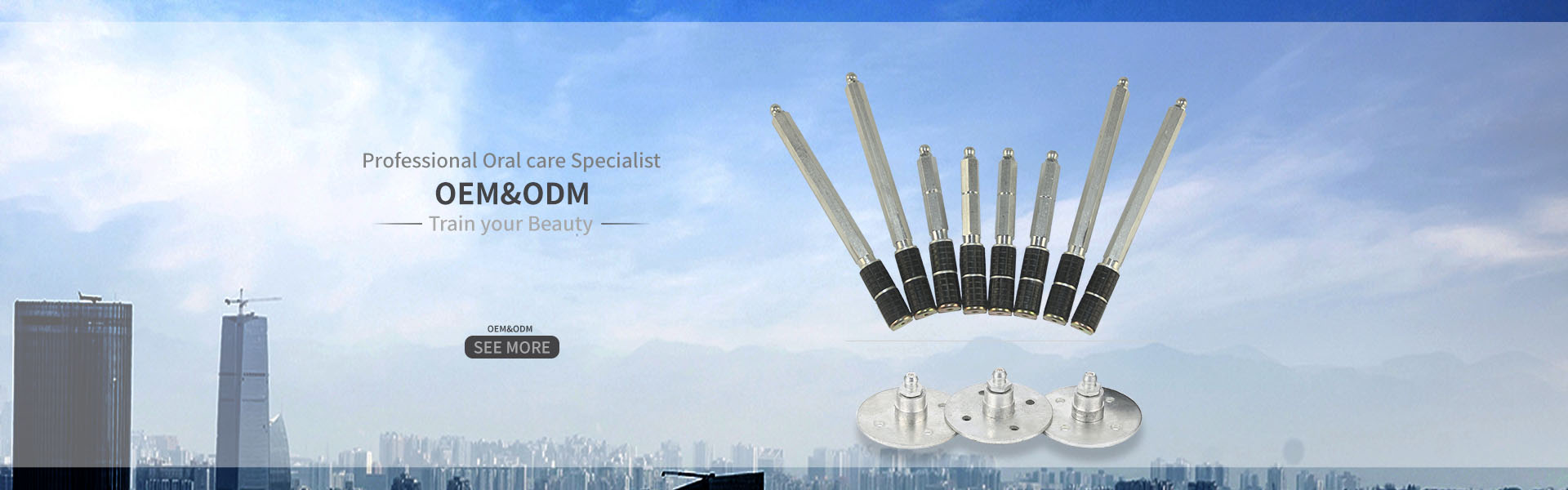
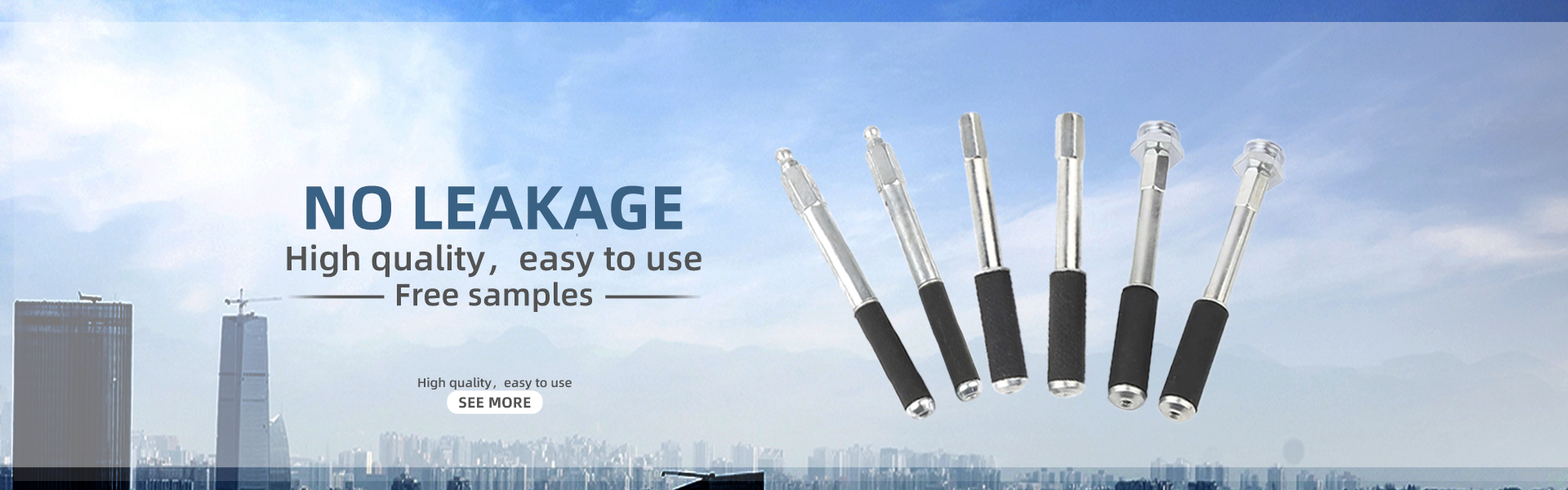
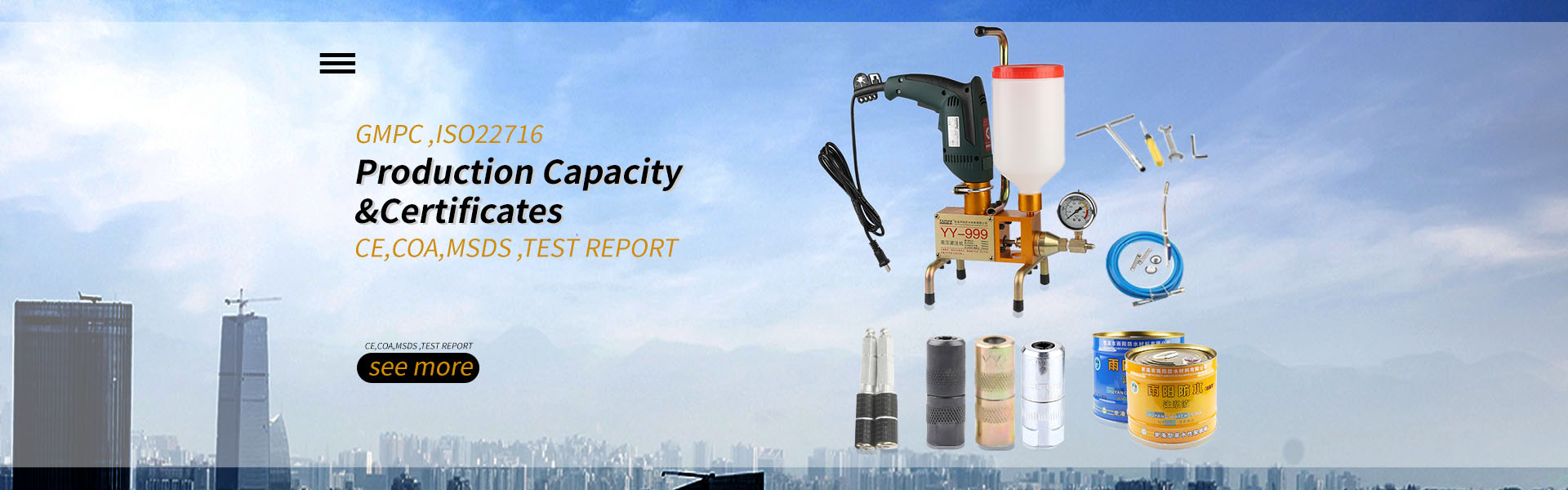
Specialized suppliers offer wholesale High Pressure Injection Packer products for the Singapore waterproofing market. These suppliers focus on construction chemicals and equipment. They often have local distribution networks or direct import capabilities. A Ceramic tile repair packer is also available from these sources. This ensures access to essential tools for various waterproofing needs in the region.
Key Takeaways
- High Pressure Injection Packers are essential tools. They fix concrete leaks and protect buildings in Singapore.
- Singapore’s heavy rain and high humidity damage buildings. Packers stop water from getting inside.
- Different packers exist for various jobs. Mechanical, adhesive, and specialized packers each have unique uses.
- Packers prevent rust in steel. They save money by stopping bigger damage later.
- Wholesale buyers must check packer quality. They need reliable suppliers and good technical help.
- Packers fix leaks in basements, roofs, and tunnels. They are important for many construction projects.
- Always use safety gear during injection. Monitor pressure and ensure good airflow in work areas.
The Indispensable Role of High Pressure Injection Packers in Singapore’s Climate
Addressing Singapore’s Unique Environmental Challenges
Singapore’s geographical location and climate present significant challenges for building integrity. The nation is a low-lying island. About 30% of its land sits less than 5 meters above mean sea level. This makes it vulnerable to rising sea levels, which could increase by up to 1 meter by 2100. Such a rise increases coastal flooding and erosion risks. This environmental factor directly impacts building foundations and can cause water ingress in basements. It also leads to corrosion of building materials and compromises structural integrity.
Impact of Heavy Rainfall on Building Integrity
Singapore experiences substantial rainfall. The average annual rainfall is 2113.3mm, based on records from 1991-2020. Annual rainfall has increased by 83 mm per decade since 1980. Climate change brings more frequent and intense rainfall events. The number of days with heavy rainfall (>70mm) doubled from 5 in 1980 to 12 in 2020. These intense downpours overwhelm drainage systems. They cause flash floods, especially in urban areas with many impervious surfaces. This leads to water damage to properties and infrastructure. Building codes require Minimum Platform Levels (MPLs) for new developments. They also mandate on-site measures like detention tanks and green roofs to manage stormwater.
Humidity’s Contribution to Structural Deterioration
High humidity levels are constant in Singapore’s tropical climate. This persistent moisture contributes to the deterioration of building materials. It accelerates the growth of mold and mildew. Humidity also promotes the corrosion of reinforcement steel within concrete structures. This weakens the building over time.
Preventing Water Ingress in Tropical Conditions
Effective waterproofing is critical in Singapore. It protects buildings from the combined assault of heavy rain and high humidity. Preventing water ingress maintains structural integrity. It also ensures a healthy indoor environment.
Effectiveness of High Pressure Injection Packers in Concrete Repair
High Pressure Injection Packers are essential tools for concrete repair. They deliver waterproofing materials precisely into cracks and voids.
Sealing Active Leaks in Concrete Structures
These packers effectively seal active leaks. They allow for the injection of resins directly into water-bearing cracks. This stops water flow immediately.
Repairing Structural Cracks with Precision
Injection packers enable precise application of repair materials. This ensures the complete filling of cracks. It restores the structural continuity of concrete.
Restoring Concrete Durability and Longevity
By sealing cracks and voids, injection packers prevent further water penetration. This protects the concrete from ongoing deterioration. It significantly extends the lifespan of the structure.
Mitigating Long-Term Structural Damage with Injection Packers
Using injection packers offers long-term benefits for structural preservation.
Preventing Corrosion of Reinforcement Steel
Water ingress often leads to the corrosion of steel reinforcement bars. Injection packers seal cracks. This prevents moisture and corrosive agents from reaching the steel. It preserves the structural strength of the concrete.
Avoiding Costly Future Remedial Works
Using injection systems for structural damage mitigation leads to long-term cost savings. These systems reduce the need for frequent repairs. They offer durable solutions that prevent further damage and water infiltration. This ensures repairs last over time. Their high efficiency also contributes to cost reduction by minimizing labor time. It improves project timelines due to fast and precise application.
Enhancing the Lifespan of Infrastructure
By addressing water ingress and structural defects proactively, High Pressure Injection Packer technology enhances the overall lifespan of buildings and infrastructure. This ensures long-term safety and functionality.
Types of Wholesale High Pressure Injection Packers for the Singapore Market

Waterproofing professionals in Singapore rely on various types of High Pressure Injection Packer products. Each type offers specific advantages for different concrete repair scenarios. Understanding these variations helps buyers select the most effective tools for their projects.
Mechanical High Pressure Injection Packers
Mechanical injection packers are a common choice for many waterproofing tasks. They provide a robust and secure seal for injecting materials into concrete.
Design Principles and Operational Mechanics
Mechanical packers work by creating a tight seal within a pre-drilled hole. Workers insert the packer into the hole. They then tighten a nut or bolt, which expands a rubber sleeve against the concrete. This expansion locks the packer in place. It also prevents injected material from leaking out around the packer. This secure fit ensures that the waterproofing resin travels deep into the crack.
Common Materials: Aluminum and Steel Packers
Manufacturers typically produce mechanical packers from durable materials like aluminum and steel. These materials withstand the high pressures involved in injection grouting. For example, the “Pu B8 Mechanical Pack 10 x 80mm (Injection Packer) | Model : PU-MP1008″ is an aluminum packer. It measures 10 x 80 mm. This model handles pressures above 20 kg/cm, with a maximum capacity of 500 kg/cm. Its robust construction ensures reliability during demanding applications.
Applications Across Various Concrete Structures
Mechanical packers find extensive use across many concrete structures. They are ideal for waterproofing concrete cracks in subways, tunnels, and culverts. They also seal sewage treatment pools, basements, and underground passages. Furthermore, these packers effectively waterproof through-wall pipes, wall corners, and structural cracks in concrete beams, columns, and planks. The injection process involves several key steps:
- Drilling: Workers drill injection holes at a 45-degree angle or less. They aim for about two-thirds of the structure’s thickness. Spacing between holes is typically 20-30 cm.
- Insert Packers: Grouting nozzle injection packers go into the drilled holes. Workers tighten them with a hexagon wrench to prevent leakage.
- Seam Cleaning: A high-pressure cleaning machine injects clean water at 6Mpa pressure into the mechanical packers. This removes dust from the seam.
- Grouting: A high-pressure injection grouting machine injects polyurethane into the holes. This process starts from the bottom-up, treating one hole at a time.
- Removing Packers: After grouting and confirming no more leakage, workers remove the grouting nozzles. They then clean up any spilled or solidified irrigation fluid.
Adhesive High Pressure Injection Packers
Adhesive packers offer an alternative solution, especially for situations where drilling is difficult or undesirable.
Surface-Mounted Application Techniques
Workers apply adhesive packers directly to the concrete surface. They use a strong epoxy adhesive to bond the packer over the crack. This method eliminates the need for drilling holes into the structure. A port on the packer allows for the injection of waterproofing material. This technique is less invasive than mechanical packer installation.
Ideal Scenarios for Adhesive Packer Utilization
Adhesive packers are perfect for thin concrete sections where drilling might cause damage. They also work well on irregular surfaces or in areas with limited access for drilling equipment. When structural integrity must remain undisturbed, adhesive packers provide an excellent solution. They are also useful for very fine hairline cracks where drilling might be impractical.
Advantages for Specific Crack Configurations
These packers offer advantages for certain crack types. They effectively seal surface cracks without penetrating the concrete. This makes them suitable for non-structural repairs or when only surface sealing is required. They can also adapt to complex crack patterns that might be difficult to target with drilled holes.
Specialized High Pressure Injection Packer Variations
Beyond the standard mechanical and adhesive types, specialized packers address unique construction challenges.
Flush Packers for Confined Spaces
Flush packers feature a low-profile design. They sit nearly flush with the concrete surface after installation. This design makes them ideal for confined spaces or areas where protruding packers would create an obstruction. Workers can easily remove or trim them after injection, leaving a smooth finish.
Corner Packers for Edge and Joint Applications
Corner packers have a specific design to fit snugly into corners and along edges. These areas often present unique challenges for waterproofing. Standard packers may not provide an adequate seal in these locations. Corner packers ensure comprehensive coverage and effective injection at critical joints and transitions.
Niche Uses in Singaporean Construction Projects
Singapore’s diverse construction landscape often requires specialized solutions. Flush packers are useful in tight basement corners or behind installed fixtures. Corner packers are essential for sealing expansion joints in MRT stations or waterproofing planter boxes on balconies. These specialized tools ensure thorough waterproofing even in the most challenging architectural details.
Material Compatibility for High Pressure Injection Packers
Selecting the correct High Pressure Injection Packer involves more than just its physical design. The packer’s material must also be compatible with the specific grouting material. Different injection resins possess unique chemical properties and viscosities. These properties demand specific packer characteristics. They ensure effective and lasting waterproofing. Proper material compatibility prevents leaks during injection. It also ensures the injected material reaches its intended target within the concrete structure.
Matching Packers with Polyurethane Injection Resins
Polyurethane (PU) injection resins are a popular choice for waterproofing. They react with water to form a flexible, watertight seal. Packers used with polyurethane must withstand the expansion pressure generated during this reaction. They also need to resist the chemical composition of the resin. For instance, brass and aluminum high-pressure CRG injection packers are compatible with polyurethane injection. This compatibility ensures a secure seal during the injection process. It allows the polyurethane to effectively fill cracks and voids.
Compatibility with Epoxy Grouting Materials
Epoxy grouting materials offer high structural strength. Workers often use them for repairing structural cracks in concrete. These materials typically have higher viscosities than polyurethane. Packers must handle this thicker consistency without clogging or leaking. They also need to resist the chemical properties of epoxy. Brass and aluminum high-pressure CRG injection packers are also compatible with epoxy injection. This ensures a strong, durable bond between the packer and the concrete. It allows for precise delivery of the epoxy into the crack.
Considerations for Acrylic Gel Injections
Acrylic gels provide a fast-reacting, low-viscosity solution for water cut-off. They penetrate very fine cracks and quickly form a waterproof barrier. When using acrylic gels, packers must maintain a tight seal against the concrete. This prevents the low-viscosity gel from escaping prematurely. The rapid reaction time of acrylic gels also requires efficient injection systems. CRG injection accessories are compatible with all resin pumping systems. This broad compatibility ensures that packers and accessories work seamlessly with various injection materials, including acrylic gels. This allows for effective application even with fast-setting and low-viscosity materials.
Key Considerations for Wholesale High Pressure Injection Packer Buyers in Singapore
Wholesale buyers in Singapore’s waterproofing market must carefully evaluate several factors when sourcing High Pressure Injection Packer products. These considerations ensure they acquire reliable, cost-effective, and compliant solutions for their projects.
Quality and Durability of Injection Packers
The demanding nature of waterproofing work, especially in Singapore’s climate, necessitates high-quality injection packers. Buyers prioritize tools that perform consistently and withstand rigorous use.
Importance of Robust Materials for Demanding Conditions
Injection packers face significant stress during application. They must endure high injection pressures and resist corrosive chemicals. Robust materials like high-grade aluminum or steel prevent premature wear and failure. These materials ensure the packers maintain their integrity throughout the injection process, even in challenging environments.
Performance Under High-Pressure Applications
Effective crack injection often requires substantial pressure to force resins into fine fissures. Packers must securely hold their position without leaking or dislodging. High-performance packers provide a tight seal, allowing technicians to achieve optimal penetration of waterproofing materials. This reliable performance directly impacts the success of the waterproofing treatment.
Longevity and Reusability of Packer Components
Quality packers offer excellent longevity. Many components, especially mechanical parts, can be cleaned and reused across multiple projects. This reusability reduces waste and lowers overall project costs. Durable packers also minimize the risk of on-site failures, which can cause delays and additional expenses.
Supplier Reliability and Support for High Pressure Injection Packers
A reliable supplier forms a crucial partnership for wholesale buyers. Their support extends beyond simply providing products; it encompasses logistics, technical assistance, and consistent service.
Stock Availability and Efficient Inventory Management
Project timelines in Singapore’s fast-paced construction industry demand immediate access to materials. Suppliers with robust stock levels and efficient inventory management systems can fulfill orders promptly. This ensures buyers receive the necessary packers without delays, keeping projects on schedule.
Lead Times for Bulk Orders and Project Timelines
Wholesale buyers often require large quantities of injection packers for major projects. Suppliers must demonstrate the capacity to handle bulk orders with reasonable lead times. Clear communication regarding delivery schedules helps buyers plan their operations effectively and avoid costly downtime.
After-Sales Service and Technical Assistance
Reputable suppliers offer comprehensive after-sales support. This includes troubleshooting assistance, product guidance, and access to technical experts. Such support proves invaluable when encountering complex waterproofing challenges or needing advice on specific application techniques.
Cost-Effectiveness of Wholesale High Pressure Injection Packers
While initial price is a factor, true cost-effectiveness considers the long-term value and performance of the injection packers. Buyers look for solutions that offer the best return on investment.
Balancing Initial Price with Long-Term Performance
Cheaper packers might seem attractive initially, but they often compromise on quality and durability. These lower-cost options can lead to frequent replacements, increased labor time due to failures, and ultimately, higher overall project costs. Investing in higher-quality packers, though more expensive upfront, often results in superior performance and fewer issues.
Realizing Savings from Quality and Durability
Durable packers reduce the need for frequent reordering and minimize on-site failures. This translates into significant savings on material costs and labor. Quality packers also ensure more effective waterproofing, preventing costly reworks and structural damage in the future.
Total Cost of Ownership Analysis for Large Projects
For large-scale projects, buyers conduct a total cost of ownership (TCO) analysis. This evaluation considers not just the purchase price but also maintenance, replacement costs, and the impact of product reliability on project efficiency and success. A thorough TCO analysis often highlights the long-term economic benefits of investing in premium High Pressure Injection Packer products.
Compliance with Local Standards and Regulations
Wholesale buyers in Singapore must ensure their chosen products meet all local standards. Adherence to these regulations protects projects from legal issues. It also guarantees the safety and longevity of structures.
Adherence to Singaporean Building Codes and Practices
Singapore’s Building and Construction Authority (BCA) sets strict building codes. These codes cover all aspects of construction, including waterproofing. Suppliers must provide products that comply with BCA requirements. This includes material specifications and application methods. Contractors use approved materials. This ensures structural integrity and public safety. Reputable wholesale suppliers actively monitor changes in these codes. They update their product offerings accordingly. This helps buyers remain compliant.
Safety Standards for Injection Equipment and Materials
Worker safety is paramount on any construction site. Singapore’s Workplace Safety and Health (WSH) Act governs safety practices. Suppliers must ensure their injection equipment meets safety standards. They provide safety data sheets (SDS) for all injection materials. These sheets detail proper handling, storage, and disposal. Buyers should choose suppliers who prioritize safety. They offer equipment with necessary certifications. They also provide clear safety guidelines for material use.
Environmental Considerations for Waterproofing Products
Singapore promotes sustainable building practices. The Green Mark scheme encourages environmentally friendly construction. Wholesale buyers should consider the environmental impact of waterproofing products. They look for materials with low Volatile Organic Compound (VOC) content. Environmentally conscious suppliers offer products that minimize ecological footprints. They also provide guidance on responsible waste management. Choosing green products contributes to Singapore’s sustainability goals.
Technical Support and Training for High Pressure Injection Packers
Effective waterproofing relies on proper application. Wholesale suppliers offer valuable technical support and training. This ensures contractors use injection packers correctly.
On-Site Training and Application Guidance
Suppliers often provide on-site training sessions. These sessions teach contractors the best application techniques. Expert trainers demonstrate correct drilling, packer insertion, and injection procedures. Hands-on guidance helps teams master the process. This minimizes errors and maximizes waterproofing effectiveness. Proper training ensures efficient project execution.
Comprehensive Product Data Sheets and Manuals
Wholesale suppliers furnish detailed product data sheets. These documents contain critical information. They list material specifications, performance characteristics, and usage instructions. Manuals offer step-by-step guides for installation and maintenance. Buyers use these resources for product selection. They also ensure compliance with project requirements. Accessible documentation empowers contractors with necessary knowledge.
Expert Consultation for Complex Waterproofing Challenges
Some waterproofing projects present unique difficulties. Standard solutions may not suffice. Reputable suppliers offer expert consultation services. Their technical teams analyze complex site conditions. They recommend tailored solutions. This specialized advice helps contractors overcome challenging scenarios. Leveraging supplier expertise leads to successful outcomes for intricate waterproofing tasks.
Applications and Best Practices for High Pressure Injection Packers in Singapore
High Pressure Injection Packers play a crucial role in Singapore’s waterproofing industry. They offer precise and effective solutions for various structural challenges. Professionals utilize these tools across different construction sectors.
Waterproofing Underground Structures with Injection Packers
Underground structures in Singapore face constant hydrostatic pressure. Effective waterproofing is essential for their longevity and functionality.
Basement Wall and Floor Sealing Techniques
Basements require robust waterproofing to prevent water ingress. Contractors use injection packers to seal cracks in basement walls and floors. The process involves several steps:
- Assess the worksite: Evaluate soil conditions, structure type, and void locations.
- Select the appropriate grout: Choose based on worksite conditions and soil characteristics.
- Determine port placement: Strategically space injection ports for even grout distribution.
- Drill the ports: Create holes at selected locations. Size and depth depend on project specifications.
- Install the ports: Insert injection ports to serve as conduits for the grout.
- Conduct pre-grouting testing: Assess soil response and permeability. This determines correct injection pressure and grout flow rate.
- Mix the grout: Prepare according to manufacturer’s instructions to achieve desired consistency.
- Inject the grout: Connect equipment to ports, starting from the furthest port and working inwards.
- Monitor and adjust: Continuously observe injection pressure, flow rate, and site conditions. Make adjustments as needed.
- Complete grouting and clean up: Remove equipment, seal or plug ports, and restore the site.
- Conduct a post-grouting inspection. Polyurethane injection grouting is a common method. It involves injecting a two-component mixture. This mixture expands on contact with water. It fills gaps and forms a watertight seal.
Lift Pit Waterproofing Solutions
Lift pits are particularly vulnerable to water accumulation. Injection packers provide targeted solutions for these areas. Grout injection under pressure, using packers, ensures grout reaches the exact location of damage. This creates a strong seal and prevents water ingress.
Car Park Leak Remediation Strategies
Leaking car parks pose safety hazards and structural risks. Injection packers effectively seal cracks in concrete slabs and expansion joints. This prevents water from damaging vehicles and underlying structures.
Repairing Roof and Balcony Leaks Using Injection Packers
Roofs and balconies are exposed to Singapore’s heavy rainfall. They often develop leaks over time.
Sealing Concrete Roof Slabs and Joints
Injection packers offer a cost-effective solution for roof leaks. They do not require hacking walls or floors. The process involves:
- Assess the leakage area: Utilize technical knowledge and equipment, including thermal imaging, to pinpoint the root cause of seepage, cracks, and leakages.
- Insert Packers: Place grouting nozzles at strategic points. This ensures proper grout injection and prevents water leakage.
- Clean the area: Remove dust and dirt. This prevents external variables from affecting the PU injection grouting process.
- PU Grout Injection: Inject grout into the packers using high-pressure equipment. This fills crack lines and holes. This method works for active leaks. It reaches tiny hairline cracks and dries fast.
- Additional Sealing: Fortify the affected area with cement-based waterproofing material after injection. This ensures no re-occurrence of water leakage.
Balcony Deck Waterproofing and Repair
Balcony decks often suffer from water seepage. Injection packers provide a fast and fuss-free solution. They maintain structural integrity by preventing weakening due to cracks and voids.
Planter Box Leakage Solutions
Leaking planter boxes can damage underlying structures. Injection packers effectively seal these leaks. They prevent water from seeping into walls and floors.
Infrastructure Projects Utilizing High Pressure Injection Packers
Singapore’s infrastructure projects demand durable waterproofing solutions. Injection packers are indispensable for these large-scale applications.
Tunnel Waterproofing and Rehabilitation
Tunnels require extensive waterproofing to manage groundwater. Injection packers seal cracks and joints in tunnel linings. This ensures structural stability and prevents water ingress.
Bridge Deck Sealing and Expansion Joint Repair
Bridge decks and their expansion joints are critical areas. They need protection from water and environmental factors. Injection packers provide precise sealing for these components.
MRT Station Leakage Control and Prevention
MRT stations, often underground, face significant waterproofing challenges. Injection packers control and prevent leakage in walls, floors, and platforms. This ensures passenger safety and operational efficiency.
Proper Installation Techniques for High Pressure Injection Packers
Effective waterproofing relies heavily on correct installation of injection packers. Technicians follow precise steps to ensure successful crack repair and water ingress prevention.
Drilling and Packer Insertion Procedures
First, technicians carefully drill holes into the concrete structure. They angle these holes to intersect the crack at an optimal depth. The drilling process requires precision to avoid damaging reinforcement steel. After drilling, workers clean the holes thoroughly to remove dust and debris. This ensures a clean surface for the packer. Then, they insert the appropriate High Pressure Injection Packer into each hole.
Securing Packers for Optimal Injection
Securing the packers properly is crucial for effective injection. For mechanical packers, technicians tighten the packer using a wrench. This expands the rubber sleeve, creating a tight seal against the concrete. A secure seal prevents injected material from leaking around the packer. It also ensures the resin travels deep into the crack. For adhesive packers, workers apply a strong epoxy to bond the packer firmly over the crack. This prevents material escape during the injection process.
Post-Injection Packer Removal and Finishing
After completing the injection and allowing the material to cure, technicians remove the packers. They unscrew mechanical packers from the holes. For adhesive packers, workers carefully chip them off the surface. Finally, they patch the drilled holes or cleaned surfaces with a suitable repair mortar. This restores the concrete’s appearance and integrity.
Safety Precautions During High Pressure Injection Processes
High-pressure injection processes involve specialized equipment and chemical resins. Therefore, strict safety protocols are essential to protect workers and the environment.
Essential Personal Protective Equipment (PPE)
Workers must utilize personal protective equipment (PPE) during all injection operations. This includes safety glasses or face shields to protect eyes from splashes. Gloves protect hands from chemical exposure. Respirators are necessary in poorly ventilated areas to prevent inhalation of fumes. Protective clothing also shields skin from contact with resins. Implementing strict safety protocols ensures worker well-being.
Pressure Management and Monitoring Protocols
Managing injection pressure is critical. Technicians continuously monitor pressure gauges on the injection pump. This prevents over-pressurization, which could damage the structure or cause packer blowouts. They adjust the pressure according to the crack size and material viscosity. This ensures controlled and effective material delivery.
Ventilation Requirements in Enclosed Spaces
Chemical resins used in injection processes can emit fumes. Adequate ventilation is mandatory, especially in enclosed spaces like basements or tunnels. Workers use exhaust fans to remove airborne contaminants. This maintains a safe breathing environment. Ensuring safety features like emergency shut-off systems and leak detectors are functional and regularly tested also contributes to a secure work site. Adhering to chemical handling procedures further minimizes risks.
Identifying and Vetting Wholesale High Pressure Injection Packer Suppliers in Singapore
Selecting the right wholesale supplier for waterproofing materials is crucial for construction projects in Singapore. Buyers must conduct thorough due diligence. This ensures they partner with reliable providers offering quality products and excellent service.
Locating Local Distributors and Importers
Finding local distributors and importers offers several advantages. These include faster delivery times and better understanding of local market needs.
Specialization in Waterproofing Materials and Equipment
Suppliers specializing in waterproofing materials and equipment possess deep industry knowledge. They understand the specific challenges of Singapore’s climate. These specialists offer a curated range of products. They also provide expert advice on application techniques. Their focus ensures they stock the most effective solutions for local conditions.
Established Market Presence and Reputation
A supplier with an established market presence often demonstrates reliability and consistency. Their long-standing operations indicate a proven track record. A strong reputation within the industry reflects positive customer experiences and dependable service. Buyers should seek suppliers known for their integrity and commitment to quality.
Local Warehousing and Efficient Logistics Capabilities
Local warehousing ensures quick access to necessary materials. Efficient logistics capabilities are vital for timely project completion. A well-managed supply chain prioritizes reducing expenses and optimizing workflows. It thrives in environments with consistent demand and predictable product movement. This model relies on accurate forecasting and strong supplier relationships. It also involves strict management of operational processes. The goal is to minimize waste and reduce unnecessary expenses. Reliable demand forecasts and established supplier networks are crucial for achieving optimal results.
Buyers can assess a supplier’s logistics efficiency through various metrics:
| Metric | Description |
|---|---|
| Cost Reduction | Minimizing costs while ensuring timely order fulfillment. |
| Inventory Management | Balancing stock levels to meet demand without excess capital tied up. |
| Lead Time Optimization | Reducing the time from order placement to delivery completion. |
| Vendor Selection Criteria | Evaluating suppliers based on reliability, defect rates, and compliance with specifications. |
| Order Cycle Time | Duration between order placement and delivery completion. |
| On-time Delivery Rates | Percentage of shipments arriving within scheduled timeframes. |
| Perfect Order Fulfillment | Measures orders delivered complete, accurate, on time, and damage-free. |
| Warehouse Utilization Rates | Indicates storage space efficiency, highlighting potential bottlenecks in the supply chain. |
Leveraging Online Directories and Industry Trade Shows
Modern buyers utilize both digital and traditional channels to find suitable suppliers. These resources offer broad access to the market.
Construction Industry Portals and B2B Platforms
Online construction industry portals and B2B platforms serve as valuable resources. They list numerous suppliers, often categorized by product specialization. These platforms allow buyers to compare offerings, read reviews, and request quotes efficiently. They streamline the initial search process.
Local Building and Construction Exhibitions
Local building and construction exhibitions provide direct interaction opportunities. Buyers can meet suppliers face-to-face. They can inspect products and discuss specific project needs. These events also showcase the latest innovations in waterproofing technology.
Networking Opportunities with Industry Peers
Networking with industry peers offers insights into supplier performance. Colleagues often share recommendations or warnings based on their own experiences. These informal channels provide practical, real-world feedback on supplier reliability and service quality.
Evaluating Supplier Credentials and Track Record
Thorough evaluation of a supplier’s credentials and track record is essential. This step helps confirm their capability and trustworthiness.
Customer Testimonials and Project Case Studies
Customer testimonials and project case studies offer crucial insights into a supplier’s reliability. Online reviews and testimonials provide insights into other businesses’ experiences with the supplier. Buyers can find these on platforms, industry forums, and social media. They should consider both positive and negative comments for a balanced view. Genuine suppliers should also be willing to provide contacts of past clients for direct communication. Positive feedback from others in the industry serves as a reassuring indicator of reliability. To assess a supplier’s reliability, buyers should look for case studies and portfolios on their website. These documents showcase past projects and capabilities, offering concrete examples of their work.
Industry Certifications and Professional Affiliations
Industry certifications demonstrate a supplier’s commitment to quality and standards. These certifications often indicate adherence to specific manufacturing processes or product performance benchmarks. Professional affiliations with industry bodies also signal a supplier’s engagement and credibility within the waterproofing sector.
Company History and Experience in Waterproofing Supply
A company’s history and experience in waterproofing supply reflect its stability and expertise. Suppliers with a long operational history have likely navigated various market conditions. They have refined their product offerings and service delivery. This experience translates into a deeper understanding of customer needs and effective problem-solving capabilities.
Requesting Samples and Technical Data for High Pressure Injection Packers
Wholesale buyers must thoroughly evaluate products before making large purchases. Requesting samples and technical data allows buyers to assess the suitability of injection packers for their specific projects. This critical step ensures product quality and performance align with project requirements.
Assessing Material Quality and Construction
Buyers carefully examine the physical samples of injection packers. They inspect the materials used in construction. For instance, they check the grade of aluminum or steel for mechanical packers. They also assess the quality of rubber seals or expansion sleeves. Robust materials ensure durability and performance under high injection pressures. Buyers look for consistent manufacturing quality across all samples. They verify that components fit together precisely. This attention to detail helps prevent failures during critical waterproofing operations. A well-constructed packer provides a secure seal and withstands repeated use.
Reviewing Performance Specifications and Standards
Technical data sheets provide essential information about a packer’s capabilities. Buyers review these documents to understand performance specifications. They check pressure ratings, which indicate the maximum injection pressure a packer can safely handle. They also examine chemical resistance data. This ensures compatibility with various grouting materials like polyurethane or epoxy resins. Suppliers should provide data confirming adherence to relevant industry standards. These standards guarantee a certain level of quality and safety. Buyers compare specifications from different suppliers. This helps them select packers that meet or exceed project demands.
Understanding Product Limitations and Best Use Cases
Every injection packer has specific design limitations and ideal applications. Buyers study the technical data to understand these aspects. They learn which packer types perform best in certain conditions. For example, some packers suit fine cracks, while others work better for larger voids. Some designs excel in confined spaces. Buyers also consider the ease of installation and removal. This information helps them choose the most efficient and effective packer for each unique waterproofing challenge. Understanding these details prevents misapplication and ensures successful project outcomes.
Wholesale injection packers are fundamental for effective, durable waterproofing solutions in Singapore’s challenging climate. Strategic selection of packer types and a reliable supplier is crucial. This ensures long-lasting protection against water ingress. Investing in quality packers contributes significantly to the structural integrity and longevity of buildings and infrastructure across Singapore. These tools help maintain essential structures.
FAQ
What are high-pressure injection packers?
High-pressure injection packers are specialized tools. They deliver waterproofing materials directly into cracks and voids in concrete. They create a secure seal. This ensures precise and effective material distribution.
Why are injection packers crucial for waterproofing in Singapore?
Singapore experiences heavy rainfall and high humidity. These conditions lead to water ingress and structural deterioration. Injection packers effectively seal leaks. They protect buildings and infrastructure from long-term damage.
What types of injection packers can wholesale buyers find?
Wholesale buyers can find several types. These include:
- Mechanical packers (aluminum, steel)
- Adhesive packers (surface-mounted)
- Specialized packers (flush, corner) Each type suits different crack configurations and project needs.
How do injection packers help prevent long-term structural damage?
Injection packers seal cracks. This prevents water and corrosive agents from reaching reinforcement steel. They stop corrosion. This preserves the concrete’s structural integrity. They also reduce the need for future costly repairs.
What key factors should wholesale buyers consider when sourcing packers?
Buyers should prioritize quality and durability. They must also assess supplier reliability and support. Cost-effectiveness, compliance with local standards, and available technical assistance are also vital considerations.
Can injection packers repair leaks in underground structures?
Absolutely!
Post time: Dec-02-2025